• Portfolio
  • Creative Art
  • Creative Blog
  • About
Menu

Creative Ilona

Creative Graphic Design
  • Portfolio
  • Creative Art
  • Creative Blog
  • About

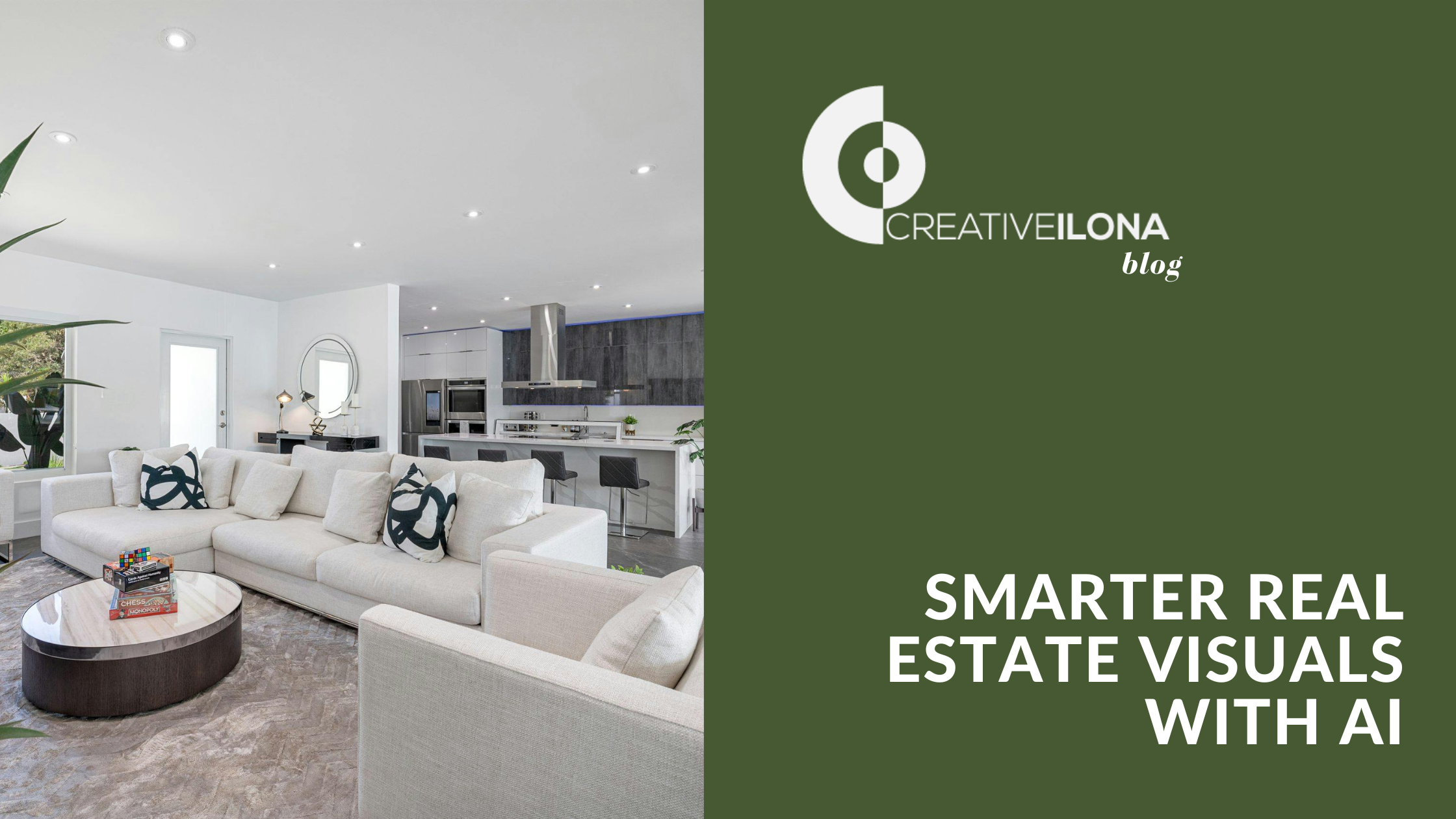
Smarter Real Estate Visuals with AI

May 3, 2026

How AI Is Helping Real Estate Shine—Without Losing Authenticity?

As a graphic designer, authenticity is everything. I’ve always believed in showcasing real photos—real spaces, real light, real atmosphere. In the past, we leaned heavily on photo manipulation to enhance visuals. Today, AI has become that tool.

But like any powerful tool, the key is knowing where to stop. Especially in real estate, trust is everything. Buyers need to believe what they see. That means our job isn’t to fabricate reality—it’s to present it in its best, most honest form. And that’s where AI truly shines.

The real estate industry is a perfect example of how we can combine real photography with intelligent enhancements. Instead of waiting for a home to be staged, renovated, or reshot under perfect conditions, AI helps us work smarter. We can create visuals that communicate potential—quickly, efficiently, and cost-effectively. The goal isn’t to deceive. It’s to help people *see*.

1. Virtual Staging: Turning Empty Space Into Possibility

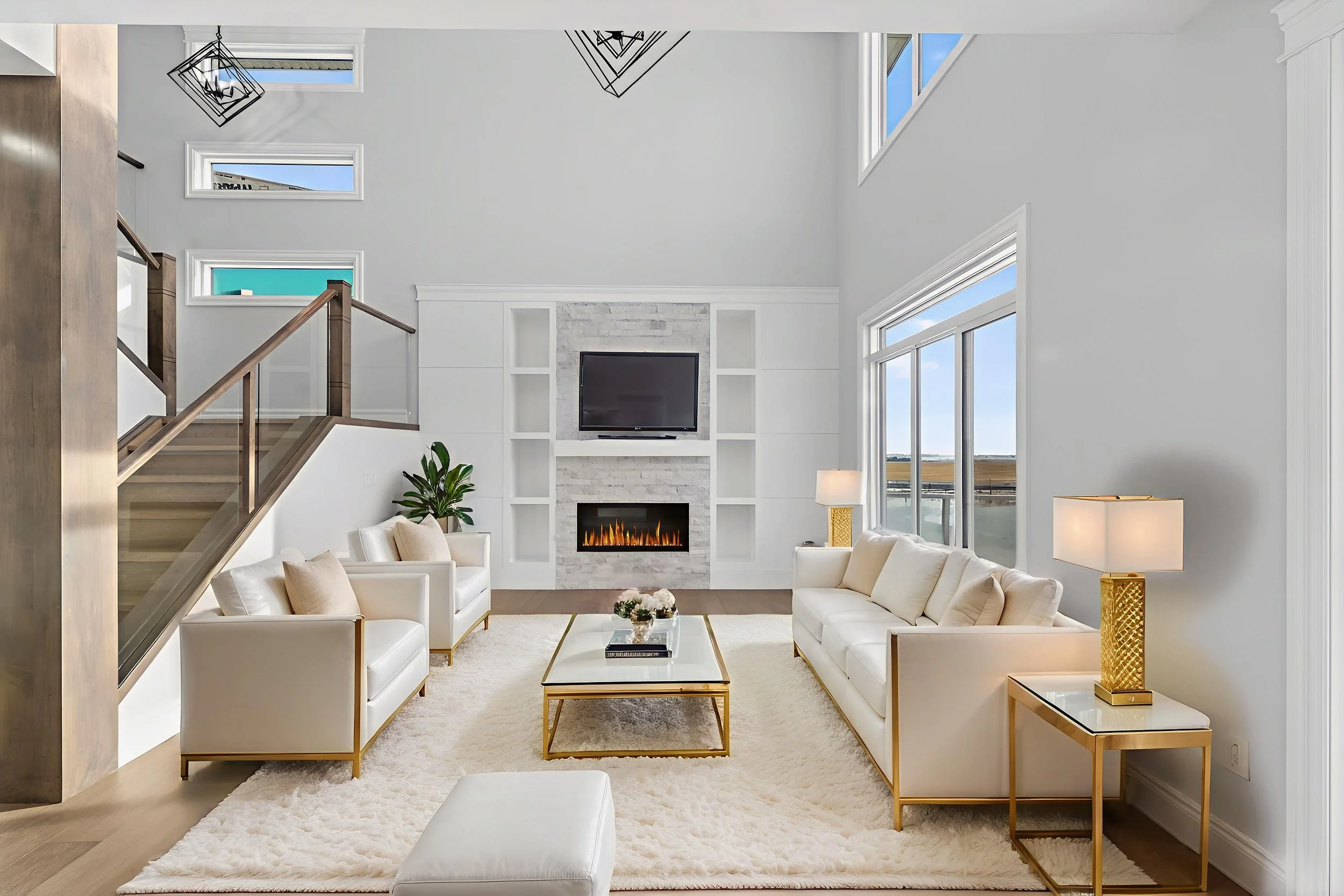
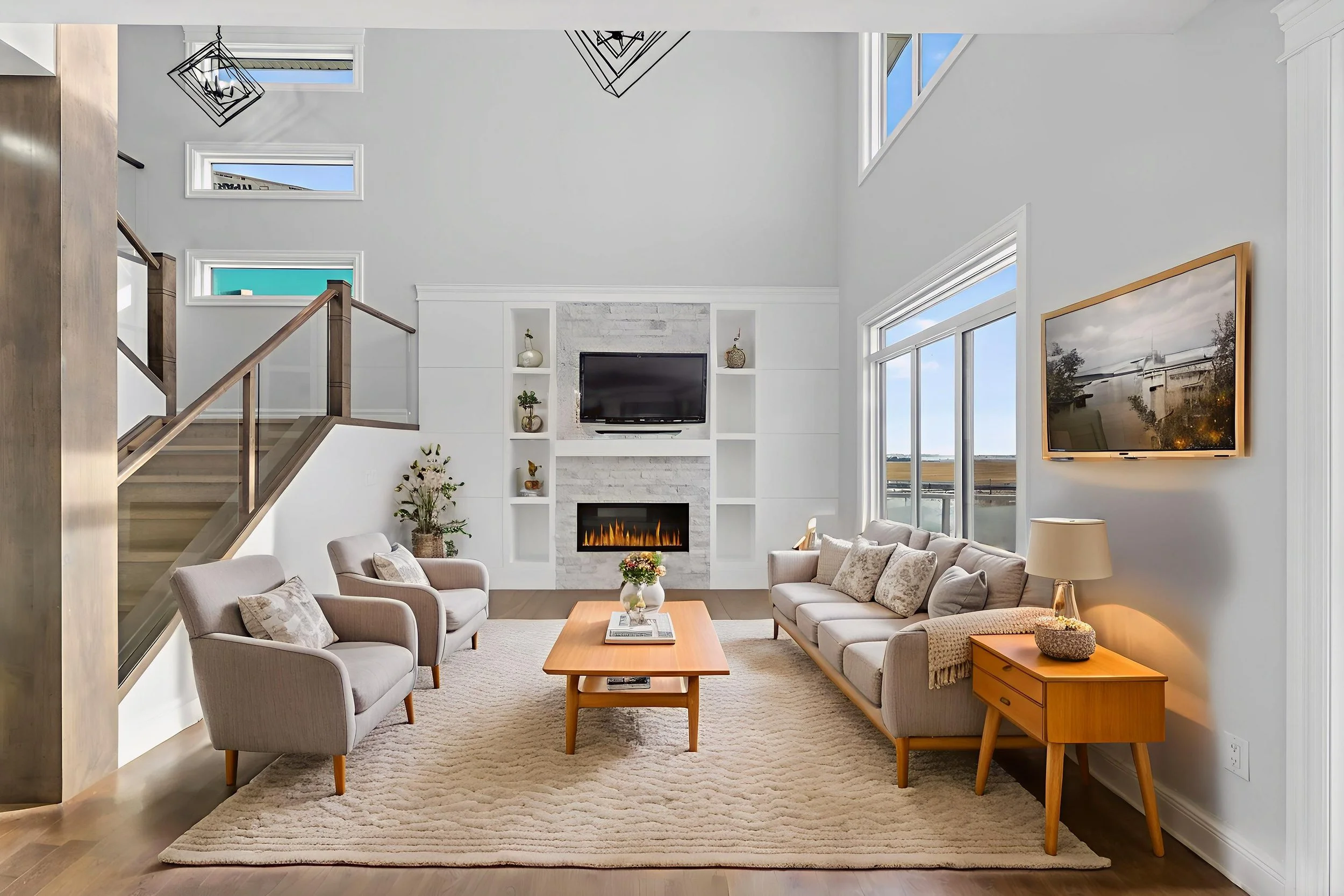
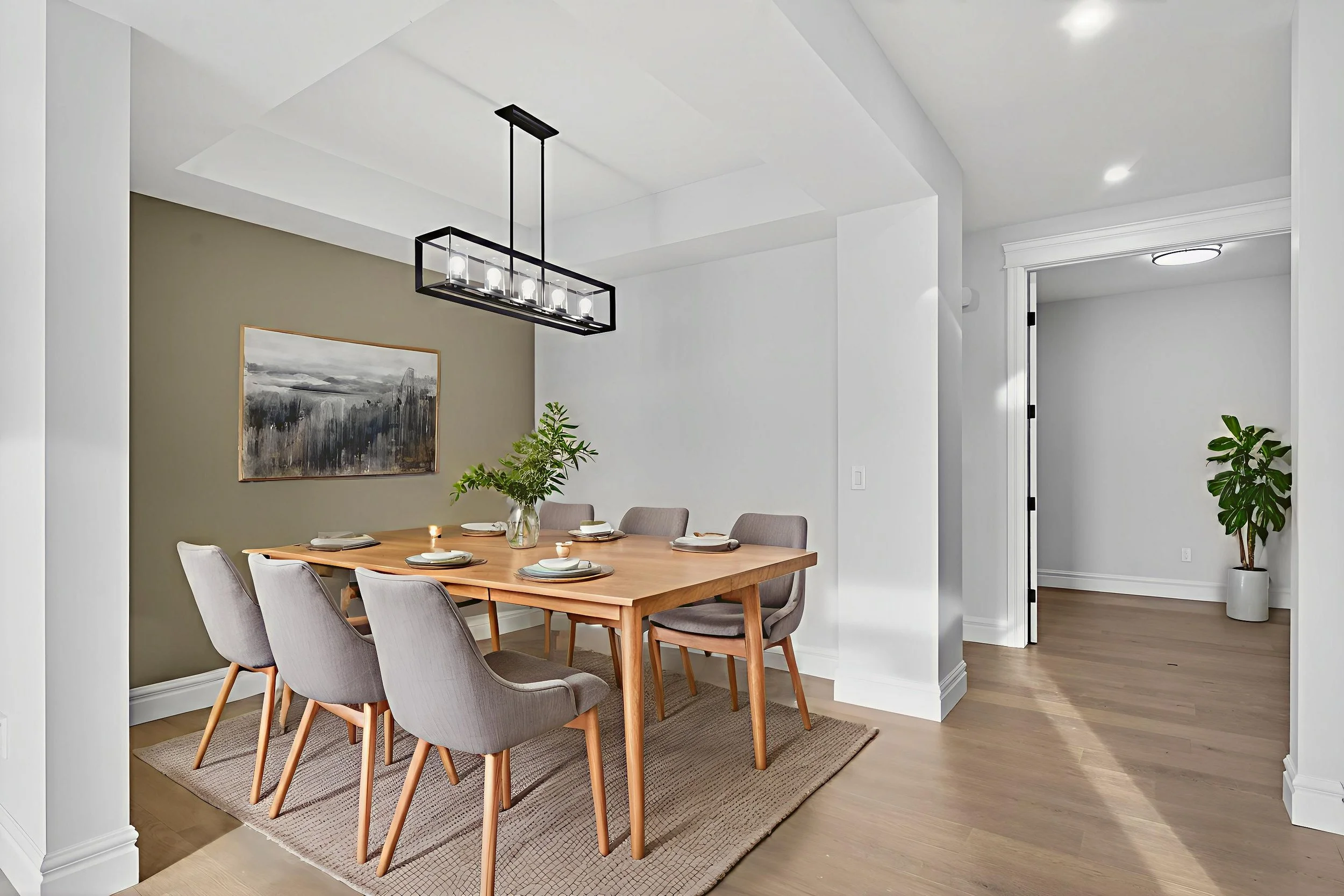
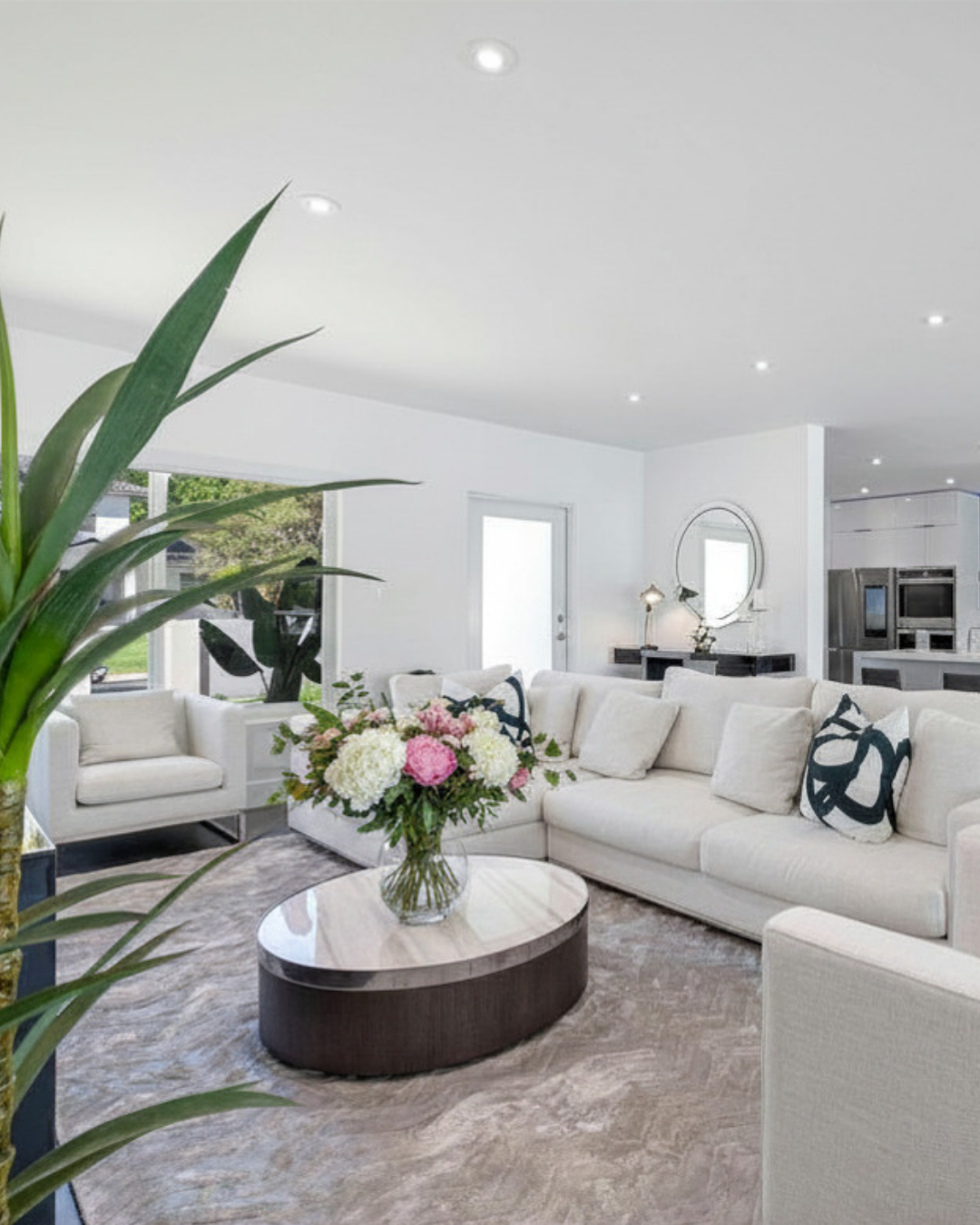
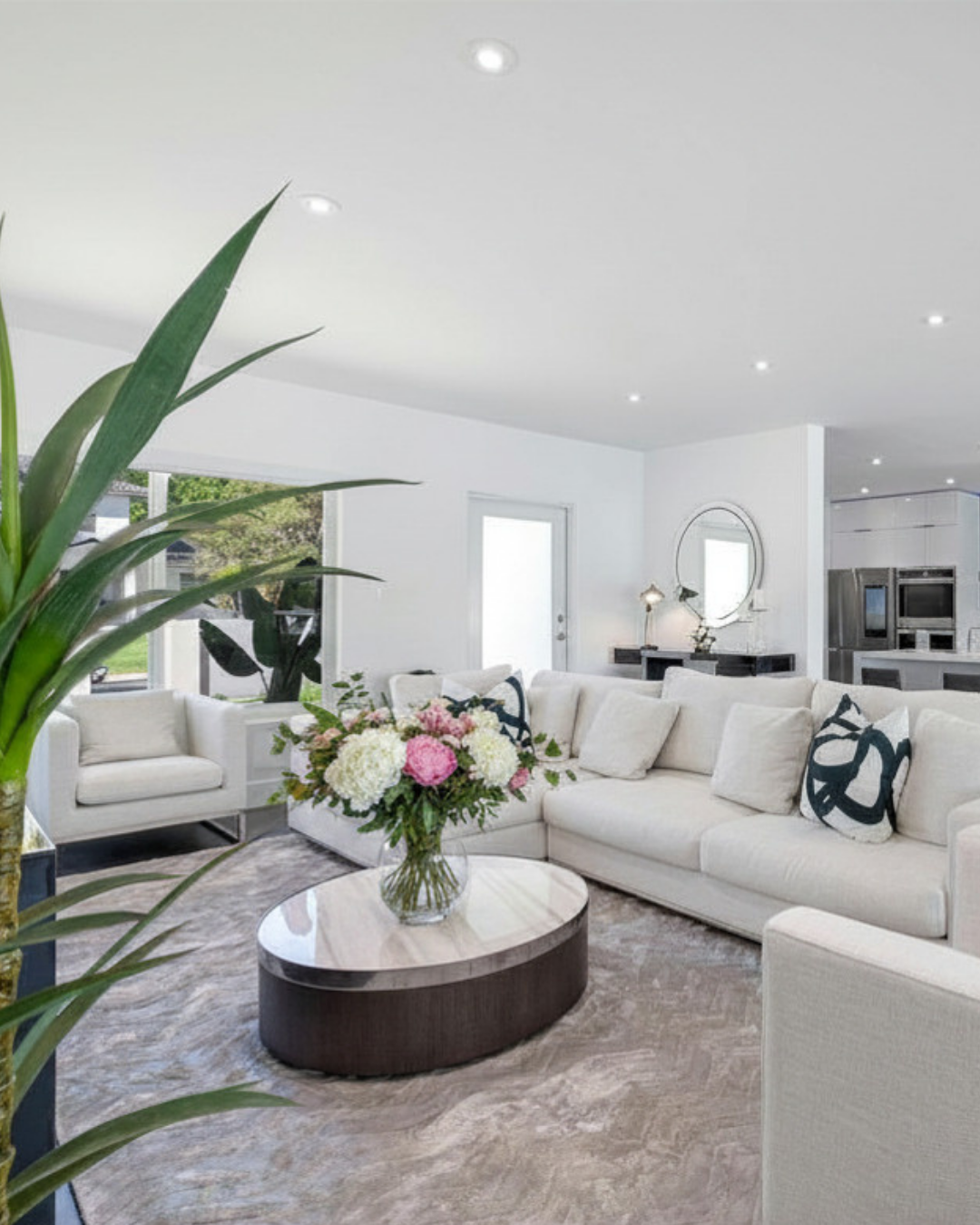
An empty room can feel cold and hard to interpret. But with AI-powered virtual staging, that same space can instantly feel like home. A bare living room becomes a warm, inviting area with a sofa, textures, and personality. A luxury apartment transforms into a lifestyle.

What’s important: the structure, proportions, and reality of the space remain untouched. We’re not changing the property—we’re helping buyers imagine living in it. We can also present the same space in different styles, tailored to different tastes—making it easier for a wider range of clients to connect with the property.
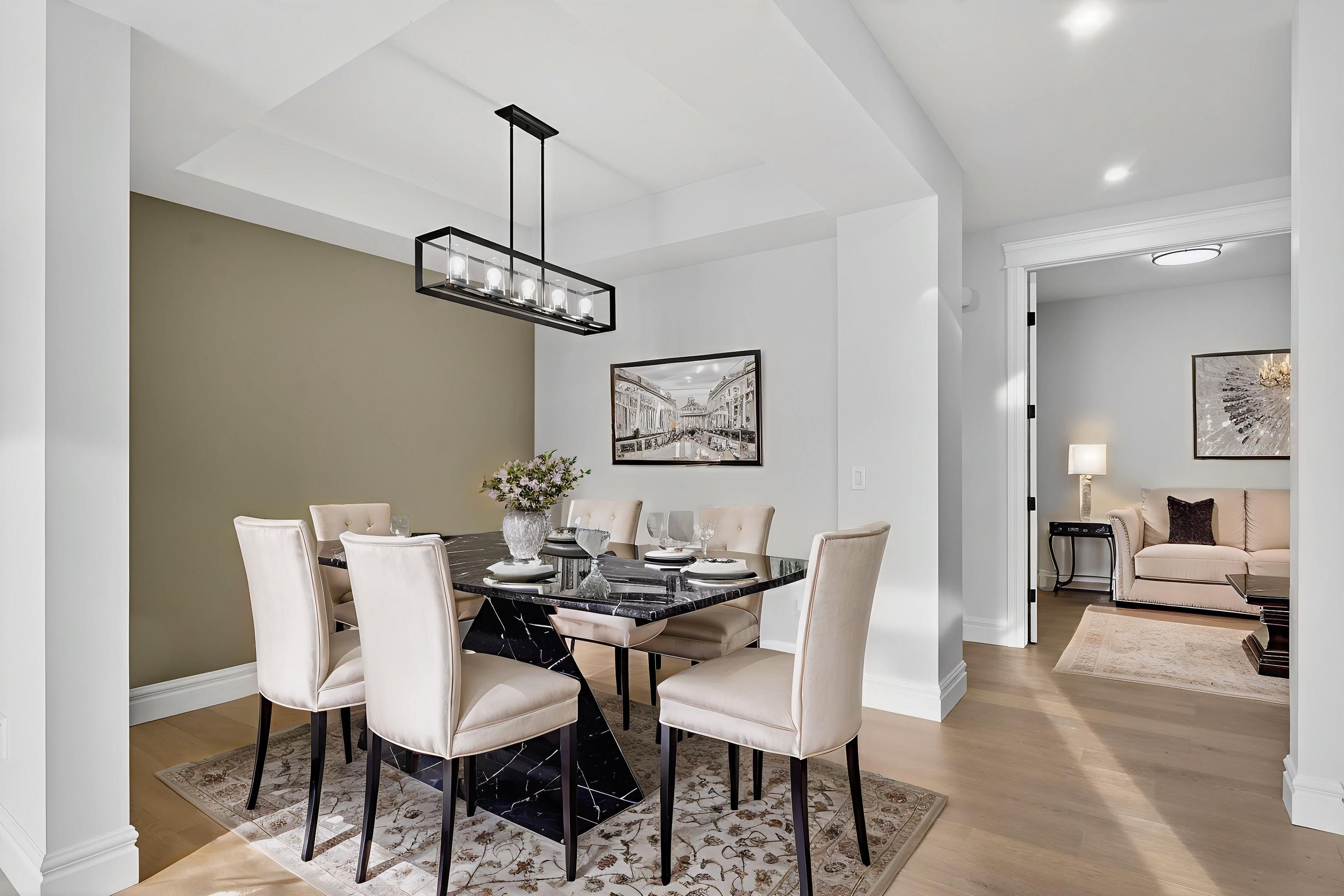
11-print-DSC09454 - Dining Room - Luxury - 7.jpg
11-print-DSC09454 - Dining Room - Scandinavian - 1.jpg
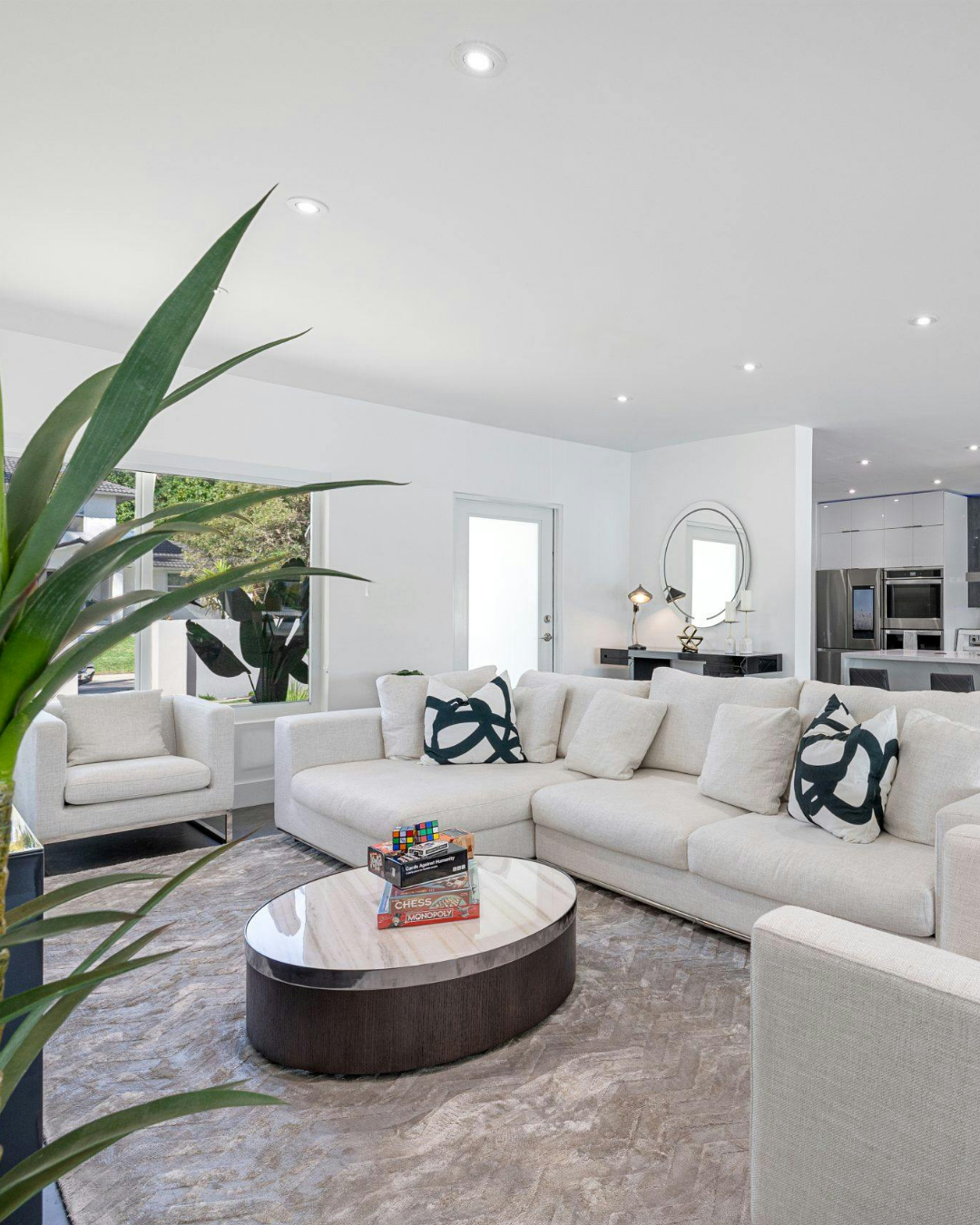
15-print-DSC09477 - Living Room - Luxury - 7.jpg
15-print-DSC09477 - Living Room - Scandinavian - 5.jpg

2. Mini-Movies From Real Photos

Video content dominates today’s digital landscape—but traditional video production can be time-consuming and expensive. AI changes that. With just a set of real photos, we can create smooth, cinematic walkthroughs: gentle pans across rooms, subtle zooms, seamless transitions.

Key features—like natural light, open layouts, or views—can be highlighted in a way that feels dynamic and engaging. What used to take days can now take minutes—without sacrificing quality or storytelling.

3. Background Enhancements

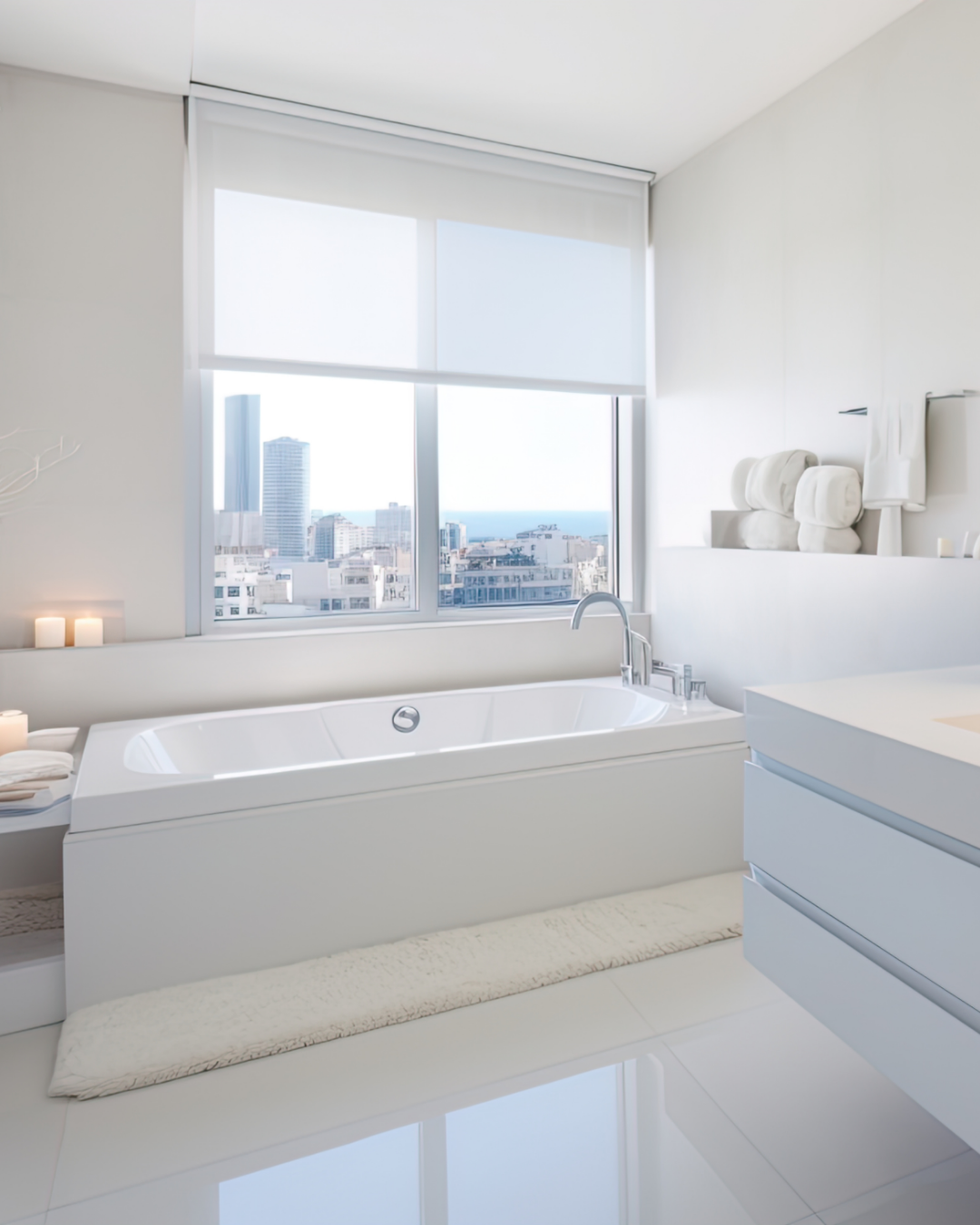
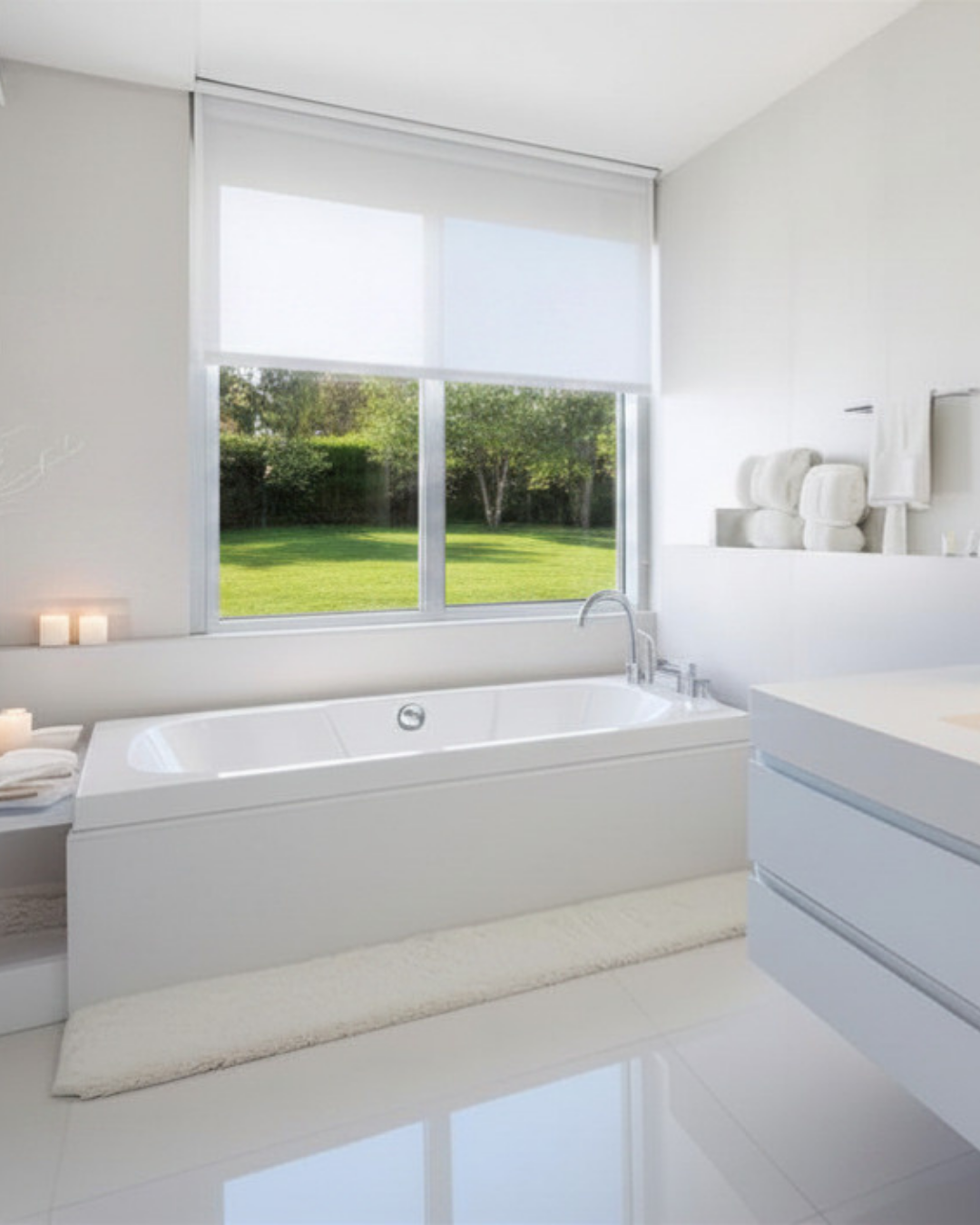
Sometimes, the property is perfect—but the conditions aren’t. Maybe the sky is gray. Maybe the garden hasn’t fully bloomed. Maybe there’s visual clutter that distracts from the space. AI allows us to make subtle, responsible improvements: brightening skies, enhancing greenery and removing distractions or change the object to something more attractive. These changes don’t alter the property itself—they simply bring focus back to what matters.
house.png
house (2).png
house (3).png
house (4).png

The Balance: Enhancement vs. Honesty AI in real estate isn’t about creating something fake. It’s about amplifying reality. Used thoughtfully, it helps us:

  • Save time and resources

  • Improve visual storytelling

  • Support faster decision-making

But most importantly, it allows us to maintain trust while still delivering impact. Because at the end of the day, great design isn’t about illusion—it’s about clarity. And AI, when used right, helps us show the truest, most compelling version of a space.

Let's connect
Featured
Smarter Real Estate Visuals with AI
May 3, 2026
Smarter Real Estate Visuals with AI
May 3, 2026
May 3, 2026
Leveraging AI for Superior Creative Output
December 1, 2025
Leveraging AI for Superior Creative Output
December 1, 2025
December 1, 2025
The Importance of Consistent Social Media Branding
August 4, 2024
The Importance of Consistent Social Media Branding
August 4, 2024
August 4, 2024
Navigating the In-House Design Realm
January 12, 2024
Navigating the In-House Design Realm
January 12, 2024
January 12, 2024
The Role of AI in Graphic Design
November 25, 2023
The Role of AI in Graphic Design
November 25, 2023
November 25, 2023
Should the company blindly follow the trends?
February 1, 2023
Should the company blindly follow the trends?
February 1, 2023
February 1, 2023
Know your Graphic Designer!
August 2, 2022
Know your Graphic Designer!
August 2, 2022
August 2, 2022
Graphic design templates vs professional design.
May 11, 2022
Graphic design templates vs professional design.
May 11, 2022
May 11, 2022
Print design pricipals in UI/UX design.
April 26, 2022
Print design pricipals in UI/UX design.
April 26, 2022
April 26, 2022
Is the graphic design profession dead?
November 1, 2020
Is the graphic design profession dead?
November 1, 2020
November 1, 2020
Source: www.creativeilona.ca/creative-blog/creativ...
In Logo Deisgn, Branding Tags logo, logo design, branding, brand style, graphic designer, master of graphics, AI use

Leveraging AI for Superior Creative Output

December 1, 2025

As a graphic designer who has spent years building expertise across diverse fields—from detailed print production and comprehensive branding strategies to modern web design —I've seen countless technological shifts. But the emergence of generative AI—from Midjourney to DALL-E and beyond—is different. It's not about replacing our skills; it's about leveraging our experience.

The real question isn't whether AI can create. It's:

How can a seasoned creative mind use this powerful new tool to gain an unfair advantage?

The answer lies in shifting your focus. AI removes the technical grind, allowing the artist to focus entirely on intention, vision, and exploration. It transforms your creative process from a linear chore into a rapid, multi-directional investigation.

Here are three distinct ways I am already leveraging AI's wide range to amplify my creative output:

1. High-Speed Prototyping for High-Value Clients (The Builder's Cinematic Reel)

Traditional film and video production is slow, expensive, and requires countless hours of post-production. I short-circuited this process.

  • The Approach: I use AI tools to transform static, high-resolution original photographs of home-building projects into dynamic, short "movies" or video tours.

  • My Creative Advantage: Instead of being tied down by video editing software, I direct the style of motion, the mood of the lighting, and the pacing of the sequence using specific prompts. This allows me to deliver polished, engaging marketing assets at a speed and cost that traditional production cannot match, letting me focus on the client's strategic goals rather than tedious rendering.

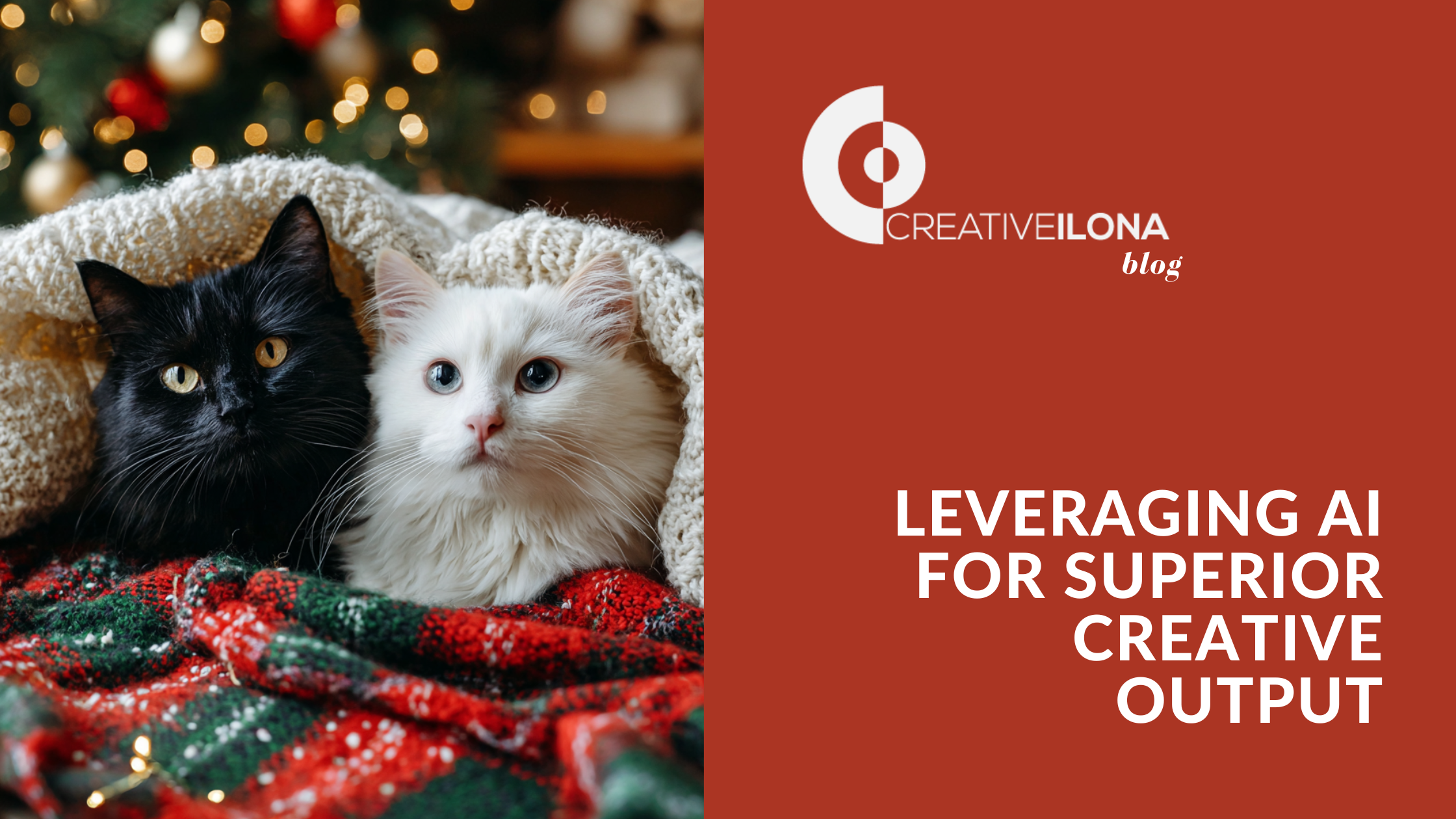
2. My Personal Brainstorm Session: The Fun Side of Generative Art (The Holiday Cat GIFs)

This is where my own creative mindset truly shines. When I need a fun, lighthearted piece of content—like a beautiful GIF for a holiday or a snowy day—I treat the AI as my instant brainstorming partner and sketch artist.

  • The Idea: I wanted to create a heartwarming, Hallmark-quality image of cozy cats for Christmas, something with a sense of tranquil companionship.

  • My Prompting Process: I didn't just ask for "Christmas cats." That's generic. I used my creative mind to define every sensory and artistic detail to ensure the outcome was personal:

    • The Result (My Prompt): "Cozy Christmas Cats Under a Blanket. Two cats snuggled warmly under a thick, festive knitted Christmas blanket... They are sitting side-by-side and gently touching each other noses. Setting: A soft-lit, cozy indoor Christmas scene. In the background (softly blurred), there's a beautifully decorated Christmas tree..."

  • The Outcome: The AI delivered exactly the tranquil, custom image I had imagined. This accelerated process let me refine the visual narrative and produce a high-quality, personal piece of art, proving that I made the creative decisions—the AI executed them. The best part is I could create multiple images in a short time.

creativeilona_Okay_this_sounds_incredibly_cozy_and_heartwarmi_0b3a03f0-da12-4e9a-b0f0-9685ee57d180_1.png
creativeilona_Cozy_Christmas_Cats_Under_a_Blanket_Two_cats_sn_bf43318b-9486-469b-9076-9264bac82029_2.png
creativeilona_Cozy_Christmas_Cats_Under_a_Blanket_Two_cats_sn_d196ebff-43a5-420a-a641-260d5943c449_0.png

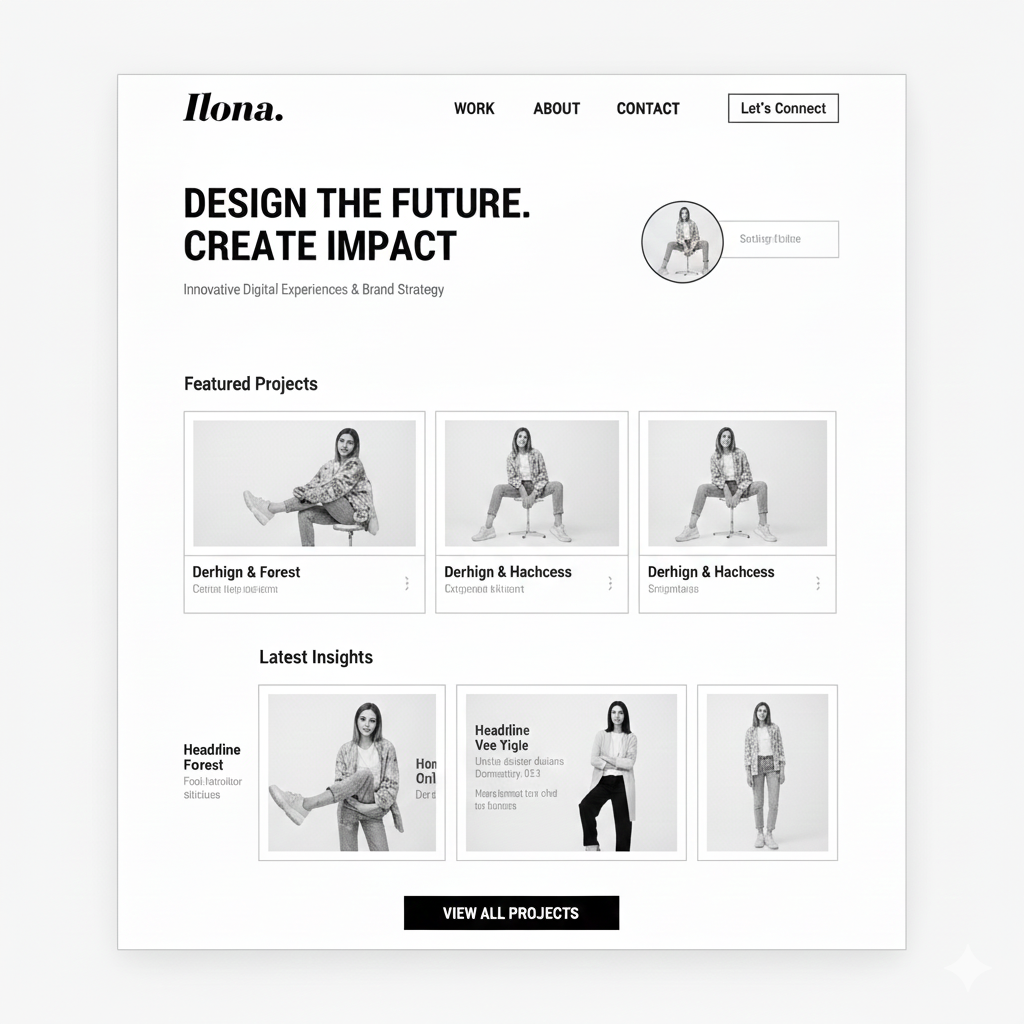
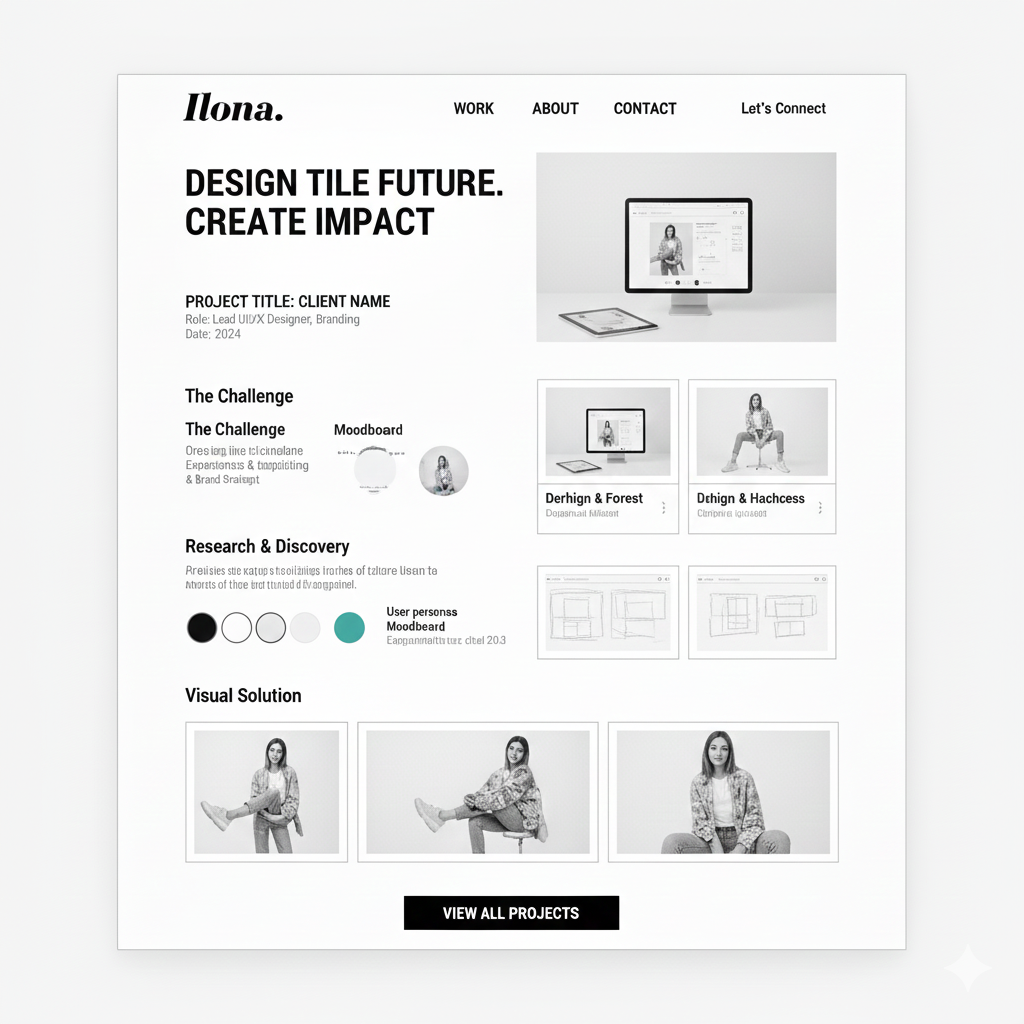
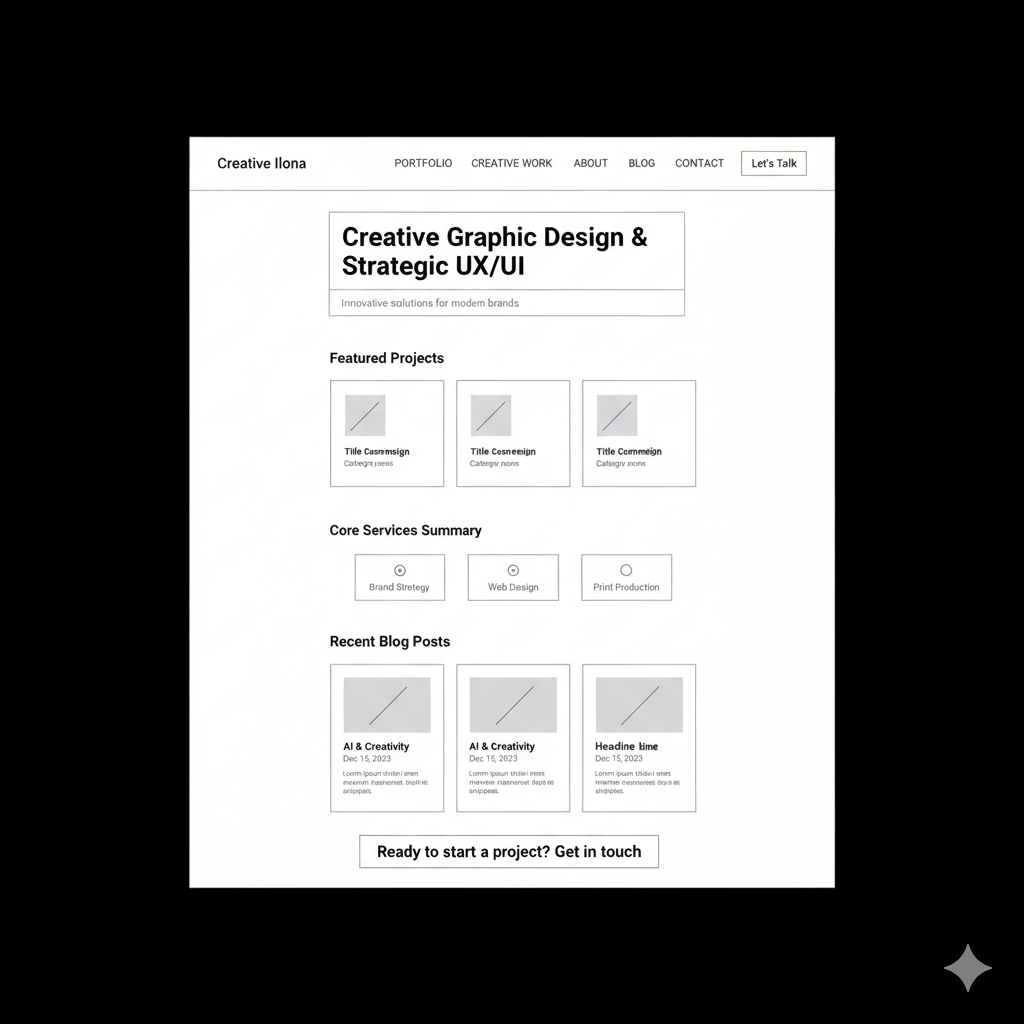
3. Aesthetic Discovery for Personal Branding (The Portfolio Website Design)

The most challenging creative block is often the blank page. I use AI to jump over the first hurdle of visual direction.

  • The Approach: I use generative tools to explore unique, high-fidelity aesthetic concepts for my personal portfolio website design. I prompt the AI to act as an experienced senior graphic designer, presenting mockups of a clean, user-friendly portfolio.

  • My Creative Advantage: I am forcing the tool to act as a tireless wireframe and visual blueprint generator. By prompting AI with specific style combinations, I can quickly settle on a unique visual identity and professional layout. This allows me to spend my valuable time on the human elements of the portfolio: the content, the case studies, and the crucial User Experience (UX), knowing the foundational aesthetic is already strong.

Gemini_Generated_Image_7chtpv7chtpv7cht.png
Gemini_Generated_Image_jm5ggejm5ggejm5g.png
Gemini_Generated_Image_c3jlfmc3jlfmc3jl.png

The Creative Conclusion: Directing the Digital Factory

AI tools are unequivocally the most powerful creative accelerator ever invented. They are not here to replace the designer, the artist, or the marketer—they are here to replace the labour.

However, for the work to remain valuable, you must stay the Director.

  1. Prioritize Originality: Always blend AI output with original photography and media whenever possible. The real-world detail you captured on your home-building site adds authenticity that a purely generated image can never replicate.

  2. Prompt with Intention (and Specificity): When creating content from scratch, your prompts must be more than descriptive; they must be specific instructions. Use every detail—lighting, camera angle, texture, and mood—to ensure the final result reflects your unique vision, not the AI's default style.

  3. Use AI to Guide Your Hand: When designing your portfolio, don't just use the AI's output as the finished product. Use those generated ideas as high-quality concepts to guide the final layout and functionality that you design yourself, ensuring the site reflects the professional and unique ideas you have in mind.

Let's connect
Featured
Smarter Real Estate Visuals with AI
May 3, 2026
Smarter Real Estate Visuals with AI
May 3, 2026
May 3, 2026
Leveraging AI for Superior Creative Output
December 1, 2025
Leveraging AI for Superior Creative Output
December 1, 2025
December 1, 2025
The Importance of Consistent Social Media Branding
August 4, 2024
The Importance of Consistent Social Media Branding
August 4, 2024
August 4, 2024
Navigating the In-House Design Realm
January 12, 2024
Navigating the In-House Design Realm
January 12, 2024
January 12, 2024
The Role of AI in Graphic Design
November 25, 2023
The Role of AI in Graphic Design
November 25, 2023
November 25, 2023
Should the company blindly follow the trends?
February 1, 2023
Should the company blindly follow the trends?
February 1, 2023
February 1, 2023
Know your Graphic Designer!
August 2, 2022
Know your Graphic Designer!
August 2, 2022
August 2, 2022
Graphic design templates vs professional design.
May 11, 2022
Graphic design templates vs professional design.
May 11, 2022
May 11, 2022
Print design pricipals in UI/UX design.
April 26, 2022
Print design pricipals in UI/UX design.
April 26, 2022
April 26, 2022
Is the graphic design profession dead?
November 1, 2020
Is the graphic design profession dead?
November 1, 2020
November 1, 2020
Source: www.creativeilona.ca/creative-blog/creativ...
In Logo Deisgn Tags logo, logo design, yoga, yoga logo, yoga studio, branding, brand style, graphic designer, master of graphics

The Importance of Consistent Social Media Branding

August 4, 2024

A Case Study of Green Cedar Homes

In today's digital age, social media platforms have become essential tools for businesses to reach and engage with their audiences. For a graphic designer and social media specialist, maintaining a consistent brand presence across these platforms is crucial for building brand recognition and trust. In this blog post, I'll explore the importance of consistent branding and share insights from my experience working with Green Cedar Homes, a new luxury home builder.

Why Consistent Branding Matters

Consistent branding across various social media platforms like Instagram, Facebook, and LinkedIn is vital for several reasons:

  1. Brand Recognition: Consistency in visual and messaging elements helps your audience easily recognize your brand, regardless of the platform they are using.

  2. Professionalism: A cohesive brand presence reflects professionalism and attention to detail, essential qualities for luxury brands like Green Cedar Homes.

  3. Trust and Loyalty: When customers see consistent branding, they are more likely to trust your brand and become loyal followers or clients.

Creating Consistent Visuals

As a graphic designer, I focus on creating visuals that reflect the elegance and sophistication of Green Cedar Homes. Here’s how I ensure consistency:

  1. Brand Colors and Fonts: Using the same color palette and typography across all platforms is crucial. For Green Cedar Homes, I’ve chosen a palette of deep greens, golds, and whites to convey luxury and nature. The fonts are elegant and easy to read.

  2. Logos and Watermarks: The Green Cedar Homes logo is a vital part of our branding. I ensure it is used correctly and consistently on all images and videos, whether it’s a static post, a reel, or a story.

  3. Templates: I create templates for different types of posts. For instance, our brand awareness posts follow a specific template that includes the logo, brand colors, and a signature design element unique to Green Cedar Homes.

Messaging and Tone

Consistency in messaging is as important as visual consistency. Here’s how I keep the messaging of Green Cedar Homes consistent across platforms:

  1. Brand Voice: The tone of Green Cedar Homes is sophisticated yet approachable. Whether it’s a caption for an Instagram post or a detailed LinkedIn article, I ensure the voice remains consistent.

  2. Key Messages: I develop a set of key messages that reflect the core values of Green Cedar Homes – luxury, craftsmanship, and sustainable living. These messages are woven into all our content, from Instagram stories to Facebook updates.

  3. Content Themes: I create content themes that align with our brand. For example, themes like “Craftsmanship Showcase,” and “Luxury Lifestyle Tips” ensure that our posts are not only consistent but also engaging and relevant.

BrandGuide.png
LuxurywithGreenCedarHomes (2).png
mgf_239.png
GCH_Google_AD-01.png

Platform-Specific Strategies

While consistency is key, it’s also important to tailor content to each platform’s strengths:

  1. Instagram:

    • Static Posts: High-quality images of our luxury homes with consistent editing styles and color grading.

    • Reels: Short, engaging videos showcasing behind-the-scenes looks at our building process, design tips, and client testimonials.

    • Stories: Daily updates, polls, and Q&A sessions to interact with our audience.

  2. Facebook:

    • Brand Awareness Posts: Detailed posts highlighting the unique features of our homes and success stories.

    • Live Videos: Live tours of new properties and Q&A sessions with our architects and designers.

    • Event Promotion: Promoting open houses and community events.

  3. LinkedIn:

    • Professional Articles: In-depth articles on industry trends, sustainable building practices, and insights from our team.

    • Project Updates: Sharing updates on ongoing projects and milestones.

    • Networking: Connecting with other professionals and potential clients in the luxury home building industry.

Measuring Success and Adjusting Strategies

To ensure that our branding efforts are effective, I regularly analyze performance metrics such as engagement rates, follower growth, and website traffic from social media. Tools like Instagram Insights, Facebook Analytics, and LinkedIn Analytics provide valuable data that helps me adjust our strategies and maintain consistency.

Conclusion

Consistent branding across social media platforms is essential for building a strong and recognizable brand. For Green Cedar Homes, it means creating visuals and messages that reflect our luxury and craftsmanship while tailoring our content to suit each platform. As a graphic designer and social media specialist, it’s my job to ensure that every piece of content we publish reinforces the brand identity and resonates with our audience.

Let's connect
Featured
Smarter Real Estate Visuals with AI
May 3, 2026
Smarter Real Estate Visuals with AI
May 3, 2026
May 3, 2026
Leveraging AI for Superior Creative Output
December 1, 2025
Leveraging AI for Superior Creative Output
December 1, 2025
December 1, 2025
The Importance of Consistent Social Media Branding
August 4, 2024
The Importance of Consistent Social Media Branding
August 4, 2024
August 4, 2024
Navigating the In-House Design Realm
January 12, 2024
Navigating the In-House Design Realm
January 12, 2024
January 12, 2024
The Role of AI in Graphic Design
November 25, 2023
The Role of AI in Graphic Design
November 25, 2023
November 25, 2023
Should the company blindly follow the trends?
February 1, 2023
Should the company blindly follow the trends?
February 1, 2023
February 1, 2023
Know your Graphic Designer!
August 2, 2022
Know your Graphic Designer!
August 2, 2022
August 2, 2022
Graphic design templates vs professional design.
May 11, 2022
Graphic design templates vs professional design.
May 11, 2022
May 11, 2022
Print design pricipals in UI/UX design.
April 26, 2022
Print design pricipals in UI/UX design.
April 26, 2022
April 26, 2022
Is the graphic design profession dead?
November 1, 2020
Is the graphic design profession dead?
November 1, 2020
November 1, 2020
Source: www.creativeilona.ca/creative-blog/creativ...
In Logo Deisgn Tags logo, logo design, yoga, yoga logo, yoga studio, branding, brand style, graphic designer, master of graphics

Navigating the In-House Design Realm

January 12, 2024

“Don’t worry about people stealing your ideas, worry about the day they stop.” – Jeffrey Zeldman

“Design is the body language of your marketing. Don’t slouch.” - Mark King

Crafting a Symphony: A Day in My Life as an In-House Graphic Designer

As I step into the dynamic world of in-house design each morning, I am acutely aware that my canvas is as diverse as the brand it represents. My role as a professional graphic designer is nothing short of alchemy, blending the realms of print and digital, creativity and strategy. Today, let me take you on a journey through my day, where I navigate the intricacies of pixels and orchestrate a symphony of marketing materials with finesse.

Morning Prelude: Juggling Pixels and Coffee Cups

The day begins with the hum of the office waking to life. As an in-house designer, my morning ritual isn't just about pixels but about balancing the digital and print worlds. A quick scan of the calendar sets the tone, and my first task might involve crafting a visually arresting social media post for an upcoming event.

Skill 1: Mastering the Art of Juggling – From pixels on a screen to ink on paper, seamlessly transitioning between digital and print design.

Midday Crescendo: My Multitasking Ballet


As the clock inches towards noon, the rhythm intensifies. Designing house info sheets that not only convey essential details but also evoke a sense of home. Creating brochures that unfold like visual stories, each page a chapter in the narrative of a property. Every project is a ballet of multitasking, a dance that requires not just creative flair but organizational precision.

Skill 2: Multitasking Mastery – Balancing the demands of diverse design projects with finesse.

Lunch Interlude: Feeding My Creativity and Innovation

The midday break is not just a pause but a pitstop for creative refueling. Staying attuned to design trends, exploring new tools, and seeking inspiration are the secret ingredients for sustained creativity. In-house designers aren't just artists; we are perpetual learners and innovators.

Skill 3: Continuous Learning – Adapting to the ever-evolving design landscape.

SocialMedia_CreativeIlona.jpg
SocialMedia3_CreativeIlona.jpg
PE6ARQ1.jpg
271.jpg

Afternoon Sonata: Designing the Digital Landscape

As the sun reaches its zenith, my focus shifts to the digital realm. Crafting website updates that seamlessly integrate with the brand's identity. Designing for social media platforms demands not just artistic prowess but an understanding of each platform's nuances. From Instagram visuals to LinkedIn banners, the afternoon is a symphony of pixels playing in harmony across the digital spectrum.

Skill 4: Social Media Maestro – Navigating the unique design requirements of different social media platforms.


Evening Finale: Wall Graphics that Speak Volumes

As the day draws to a close, the spotlight turns to a grand finale – designing wall graphics for our new office space. It's more than just visuals; it's about creating an atmosphere and telling a story that resonates with anyone who walks through the doors. This project blends print, digital, and spatial design into a crescendo of creativity.

Skill 5: Spatial Sensibility – Translating design into physical spaces.

Curtain Call: The Art of Time Management

Behind every meticulously crafted design is an artful dance of time management. I am not just an artist but a time alchemist, turning minutes into masterpieces.

Skill 6: Time Alchemy – Balancing creativity with the demands of deadlines.

In the enchanting world of in-house design, where pixels meet paper and creativity converges with strategy, I am the orchestrator of a visual symphony. It's not just a job; it's a passion for transforming ideas into captivating designs that breathe life into a brand. So, the next time you see a brochure, a website update, or a social media post that captivates your senses, remember – behind it lies my magic touch as an in-house graphic designer.

Let's connect
Featured
Smarter Real Estate Visuals with AI
May 3, 2026
Smarter Real Estate Visuals with AI
May 3, 2026
May 3, 2026
Leveraging AI for Superior Creative Output
December 1, 2025
Leveraging AI for Superior Creative Output
December 1, 2025
December 1, 2025
The Importance of Consistent Social Media Branding
August 4, 2024
The Importance of Consistent Social Media Branding
August 4, 2024
August 4, 2024
Navigating the In-House Design Realm
January 12, 2024
Navigating the In-House Design Realm
January 12, 2024
January 12, 2024
The Role of AI in Graphic Design
November 25, 2023
The Role of AI in Graphic Design
November 25, 2023
November 25, 2023
Should the company blindly follow the trends?
February 1, 2023
Should the company blindly follow the trends?
February 1, 2023
February 1, 2023
Know your Graphic Designer!
August 2, 2022
Know your Graphic Designer!
August 2, 2022
August 2, 2022
Graphic design templates vs professional design.
May 11, 2022
Graphic design templates vs professional design.
May 11, 2022
May 11, 2022
Print design pricipals in UI/UX design.
April 26, 2022
Print design pricipals in UI/UX design.
April 26, 2022
April 26, 2022
Is the graphic design profession dead?
November 1, 2020
Is the graphic design profession dead?
November 1, 2020
November 1, 2020
Source: www.creativeilona.ca/creative-blog/creativ...
In Logo Deisgn Tags logo, logo design, yoga, yoga logo, yoga studio, branding, brand style, graphic designer, master of graphics
creativeilona_graphicdesignerblog(4).png

Graphic design templates vs professional design. →

May 11, 2022

“Design is thinking made visual.” - Saul Bass

“Content precedes design. Design in the absence of content is not design, it’s decoration.” - Jeffrey Zeldman

Is using an online application template is ok?

When is better to hire a professional graphic designer!


I am talking from my professional experience now because one of my clients decided to save some money and used a free online app to design a business brochure. I have to be honest, I also use that kind of application, but it is easier to understand and use as a professional graphic designer. The client used one of the free, available templates to put together the brochure, and it was a tri-folded one, with some basic information about the company and their services.

What happened? When the client tried to make a print version, some elements were cut off, folded through or didn't match the after folding. In the end, it was just wasting the money and time of that person.

The reason it didn't work is simple. Even if the template was used, the designer must have at least a basic knowledge and experience of designing the layout and putting content and elements to keep the design inside the print area.

The design used by the client in the online application template

I used a professional platform (Adobe Cloud) to redesign the brochure but had the whole idea. The other thing was to keep the constancy in the typography and images, which was missing in the online design. We printed them in the professional print shop located nearby the client. It's another important thing because, from my experience, having a good relationship with the vendor is sometimes more important than a design. But that's a subject for another time.

The same brochure but designed in a professional application.

When to use online design applications? They are great tools and evolve quickly with various templates and ready elements. It is perfect to set up a brand pattern and use it for social media content, with quick access to resizing and minor modifications. Online applications are great for that, and I used them a lot to make my work faster and more effective. What's dangerous is that the templates are for everyone and can be used by other companies, which is the worst that could happen to the brand. As I have mentioned, brand uniqueness is crucial for brand awareness and having the same content as many others would help it.

In conclusion: the best idea is to hire a professional graphic designer who knows how to use professional apps and manage online app problems.

Let's connect
Featured
Smarter Real Estate Visuals with AI
May 3, 2026
Smarter Real Estate Visuals with AI
May 3, 2026
May 3, 2026
Leveraging AI for Superior Creative Output
December 1, 2025
Leveraging AI for Superior Creative Output
December 1, 2025
December 1, 2025
The Importance of Consistent Social Media Branding
August 4, 2024
The Importance of Consistent Social Media Branding
August 4, 2024
August 4, 2024
Navigating the In-House Design Realm
January 12, 2024
Navigating the In-House Design Realm
January 12, 2024
January 12, 2024
The Role of AI in Graphic Design
November 25, 2023
The Role of AI in Graphic Design
November 25, 2023
November 25, 2023
Should the company blindly follow the trends?
February 1, 2023
Should the company blindly follow the trends?
February 1, 2023
February 1, 2023
Know your Graphic Designer!
August 2, 2022
Know your Graphic Designer!
August 2, 2022
August 2, 2022
Graphic design templates vs professional design.
May 11, 2022
Graphic design templates vs professional design.
May 11, 2022
May 11, 2022
Print design pricipals in UI/UX design.
April 26, 2022
Print design pricipals in UI/UX design.
April 26, 2022
April 26, 2022
Is the graphic design profession dead?
November 1, 2020
Is the graphic design profession dead?
November 1, 2020
November 1, 2020
In Branding, Layout, Logo Deisgn Tags logo design, graphic designer, graphic, brand book, brand style

Print design pricipals in UI/UX design. →

April 26, 2022

“People ignore design that ignores people.” – Frank Chimero

“UI is the saddle, the stirrups, & the reins. UX is the feeling you get being able to ride the horse.” – Dain Miller

Is traditional and digital design connected?

How do you use print design trends in UI/UX design?


I come across exciting reads about the connection between UI/UX in print and digital design. It might be surprising for many how both ways are essential and overlap, especially for younger designers, who are more focused on digital. As a graphic artist who started in the print industry, I know from experience that ideas are fluid and can be used equally.

I was thinking about that and can't agree more; the print industry has been a main for centuries and has been used to express visual expression and artistic visions. People have used visual communication to sell, communicate and present their ideas in every culture. Attractive and well-designed products acquired faster interest and sold better. Man has used many media for visual communication, from stones, paper or material to modern forms. We now live in a global digital village where information reaches the recipient faster and needs a different technology. But together, whatever technology creators use, traditional design principles use grids and typography to shape the way they approach the design digitally.

User experience in print design example:

When I designed the layout for a product catalogue at a lighting company, I had to keep in mind that the font, blocks, and colours come across in the best graphic design practice. I designed the layout that shows the newest products collections to attract new customers, and that went to the other products category following the best sellers and place of installation. As you got through the pages, the combination of good quality lifestyle photography, product images and descriptions was planned in the best practice and experience. A nicely designed subcover with the lighting designer's hand draws divided a fluid transition between product subjects. The whole project was not only the mirror of the company values and contemporary look but also showed the collections of lighting in the best manner.

4.png June2017_spread1.jpg June2017_spread2.jpg Kuzco-2018.jpg Kuzco-2018-.jpg

User experience in digital design example:

Another example was a website design for a construction company based in New York that showcases the projects, construction and brand with a simple pages navigation. The main focus was on the previous project gallery and primary services, which showed the engineer's way and construction process. All the ideas on using buttons and the hierarchy of all elements were based on how the users would approach all the information and what would be significant. The same thinking was applied to the brochure, not only to follow the brand values but also to combine the same message.

creativeilona_Focuswebsite2020.jpg Untitled design(24).png

Simple conclusion.

In the end, I have an essential conclusion that being a graphic designer, you have to look at the future but be humble about the past because the whole art and design history gave us the privilege of what we have become now.

Let's connect
Featured
Smarter Real Estate Visuals with AI
May 3, 2026
Smarter Real Estate Visuals with AI
May 3, 2026
May 3, 2026
Leveraging AI for Superior Creative Output
December 1, 2025
Leveraging AI for Superior Creative Output
December 1, 2025
December 1, 2025
The Importance of Consistent Social Media Branding
August 4, 2024
The Importance of Consistent Social Media Branding
August 4, 2024
August 4, 2024
Navigating the In-House Design Realm
January 12, 2024
Navigating the In-House Design Realm
January 12, 2024
January 12, 2024
The Role of AI in Graphic Design
November 25, 2023
The Role of AI in Graphic Design
November 25, 2023
November 25, 2023
Should the company blindly follow the trends?
February 1, 2023
Should the company blindly follow the trends?
February 1, 2023
February 1, 2023
Know your Graphic Designer!
August 2, 2022
Know your Graphic Designer!
August 2, 2022
August 2, 2022
Graphic design templates vs professional design.
May 11, 2022
Graphic design templates vs professional design.
May 11, 2022
May 11, 2022
Print design pricipals in UI/UX design.
April 26, 2022
Print design pricipals in UI/UX design.
April 26, 2022
April 26, 2022
Is the graphic design profession dead?
November 1, 2020
Is the graphic design profession dead?
November 1, 2020
November 1, 2020
In UX, UI Tags logo design, graphic designer, graphic, brand book, brand style
Older Posts →

Latest Posts

Featured
Smarter Real Estate Visuals with AI
May 3, 2026
Smarter Real Estate Visuals with AI
May 3, 2026
May 3, 2026
Leveraging AI for Superior Creative Output
December 1, 2025
Leveraging AI for Superior Creative Output
December 1, 2025
December 1, 2025
The Importance of Consistent Social Media Branding
August 4, 2024
The Importance of Consistent Social Media Branding
August 4, 2024
August 4, 2024
Navigating the In-House Design Realm
January 12, 2024
Navigating the In-House Design Realm
January 12, 2024
January 12, 2024
The Role of AI in Graphic Design
November 25, 2023
The Role of AI in Graphic Design
November 25, 2023
November 25, 2023
Should the company blindly follow the trends?
February 1, 2023
Should the company blindly follow the trends?
February 1, 2023
February 1, 2023
Know your Graphic Designer!
August 2, 2022
Know your Graphic Designer!
August 2, 2022
August 2, 2022
Graphic design templates vs professional design.
May 11, 2022
Graphic design templates vs professional design.
May 11, 2022
May 11, 2022
Print design pricipals in UI/UX design.
April 26, 2022
Print design pricipals in UI/UX design.
April 26, 2022
April 26, 2022
Is the graphic design profession dead?
November 1, 2020
Is the graphic design profession dead?
November 1, 2020
November 1, 2020
About
Portfolio
Creative Work