How AI Is Helping Real Estate Shine—Without Losing Authenticity?
As a graphic designer, authenticity is everything. I’ve always believed in showcasing real photos—real spaces, real light, real atmosphere. In the past, we leaned heavily on photo manipulation to enhance visuals. Today, AI has become that tool.
But like any powerful tool, the key is knowing where to stop. Especially in real estate, trust is everything. Buyers need to believe what they see. That means our job isn’t to fabricate reality—it’s to present it in its best, most honest form. And that’s where AI truly shines.
The real estate industry is a perfect example of how we can combine real photography with intelligent enhancements. Instead of waiting for a home to be staged, renovated, or reshot under perfect conditions, AI helps us work smarter. We can create visuals that communicate potential—quickly, efficiently, and cost-effectively. The goal isn’t to deceive. It’s to help people *see*.
1. Virtual Staging: Turning Empty Space Into Possibility
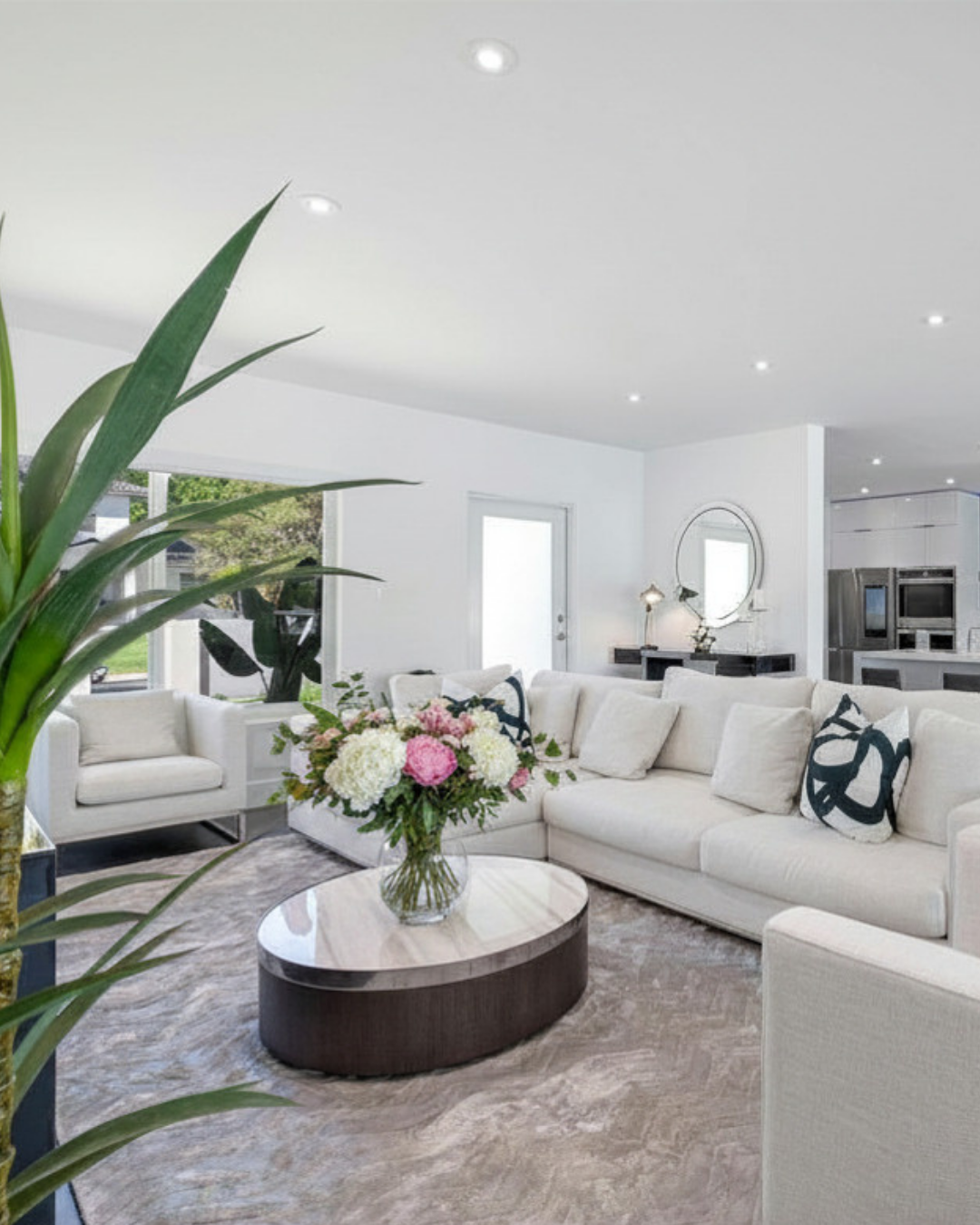
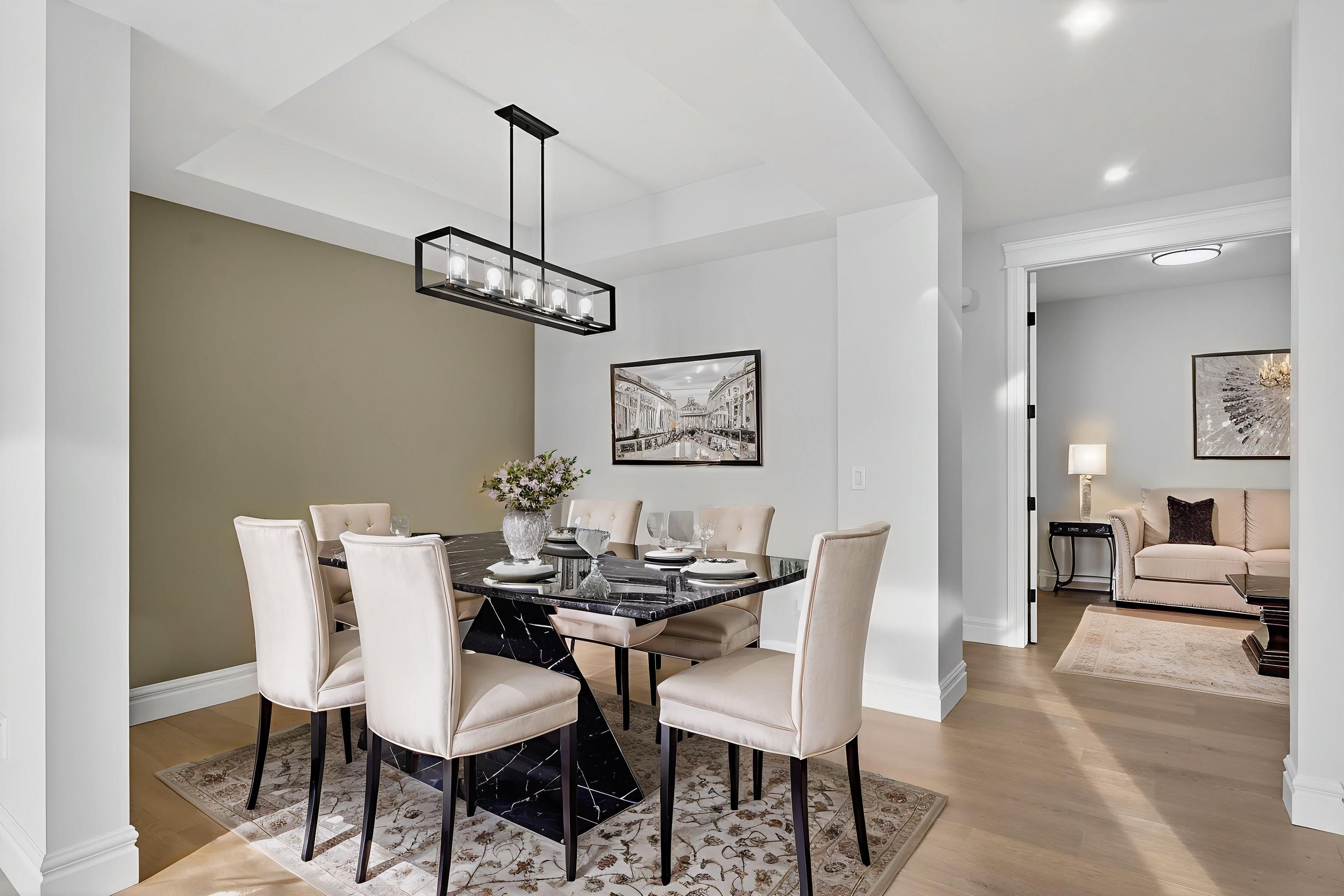
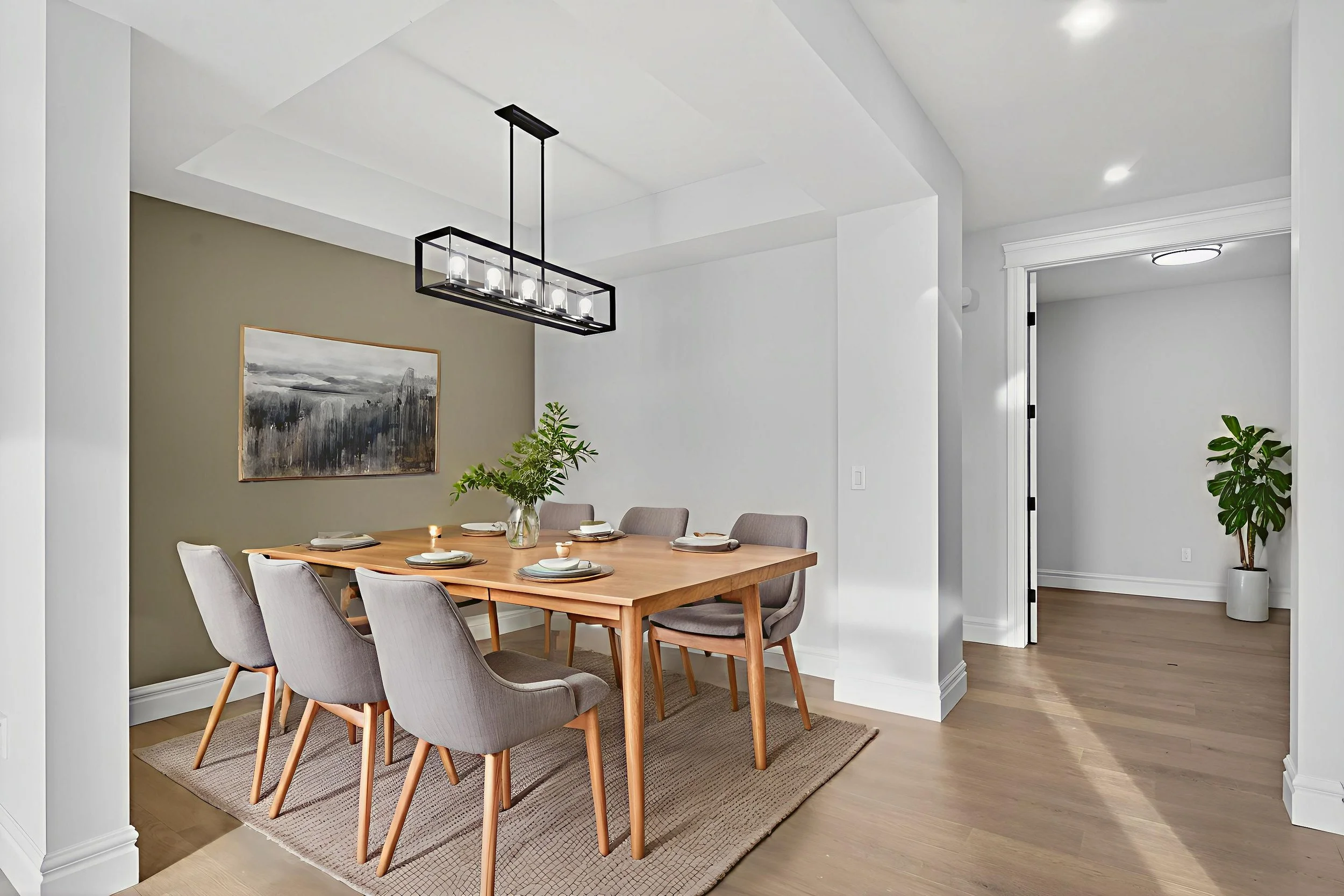
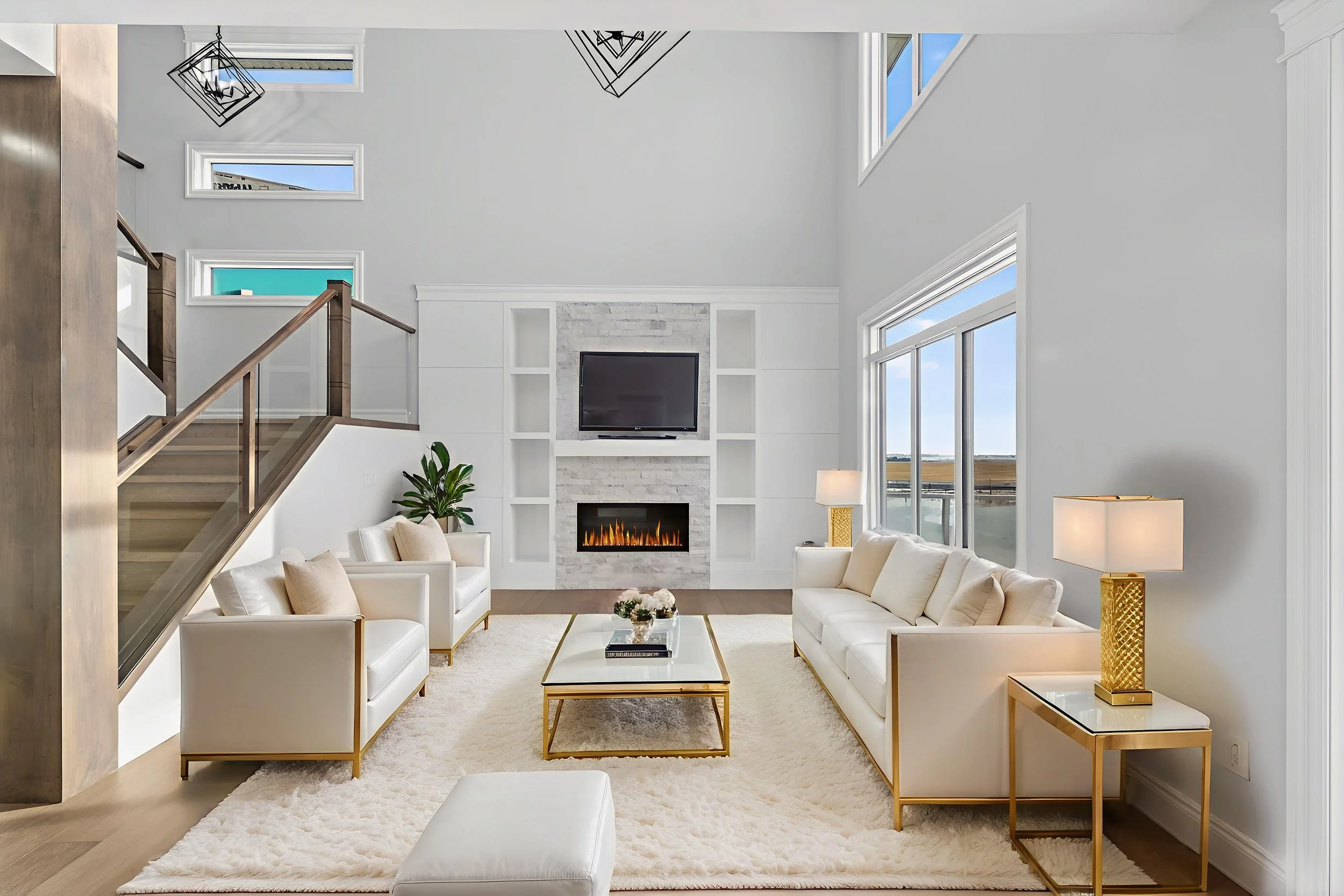
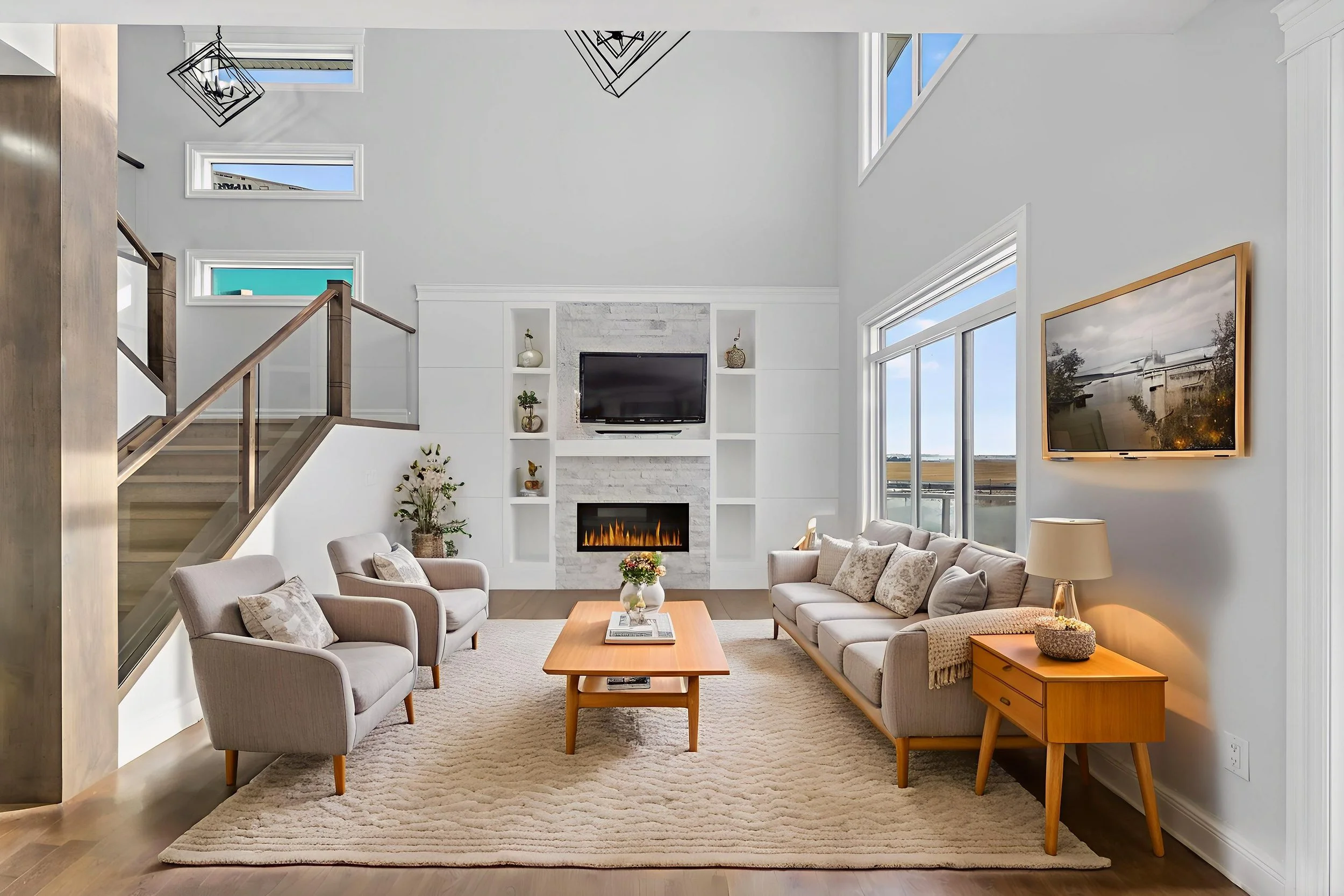
An empty room can feel cold and hard to interpret. But with AI-powered virtual staging, that same space can instantly feel like home. A bare living room becomes a warm, inviting area with a sofa, textures, and personality. A luxury apartment transforms into a lifestyle.
What’s important: the structure, proportions, and reality of the space remain untouched. We’re not changing the property—we’re helping buyers imagine living in it. We can also present the same space in different styles, tailored to different tastes—making it easier for a wider range of clients to connect with the property.
2. Mini-Movies From Real Photos
Video content dominates today’s digital landscape—but traditional video production can be time-consuming and expensive. AI changes that. With just a set of real photos, we can create smooth, cinematic walkthroughs: gentle pans across rooms, subtle zooms, seamless transitions.
Key features—like natural light, open layouts, or views—can be highlighted in a way that feels dynamic and engaging. What used to take days can now take minutes—without sacrificing quality or storytelling.
3. Background Enhancements
Sometimes, the property is perfect—but the conditions aren’t. Maybe the sky is gray. Maybe the garden hasn’t fully bloomed. Maybe there’s visual clutter that distracts from the space. AI allows us to make subtle, responsible improvements: brightening skies, enhancing greenery and removing distractions or change the object to something more attractive. These changes don’t alter the property itself—they simply bring focus back to what matters.
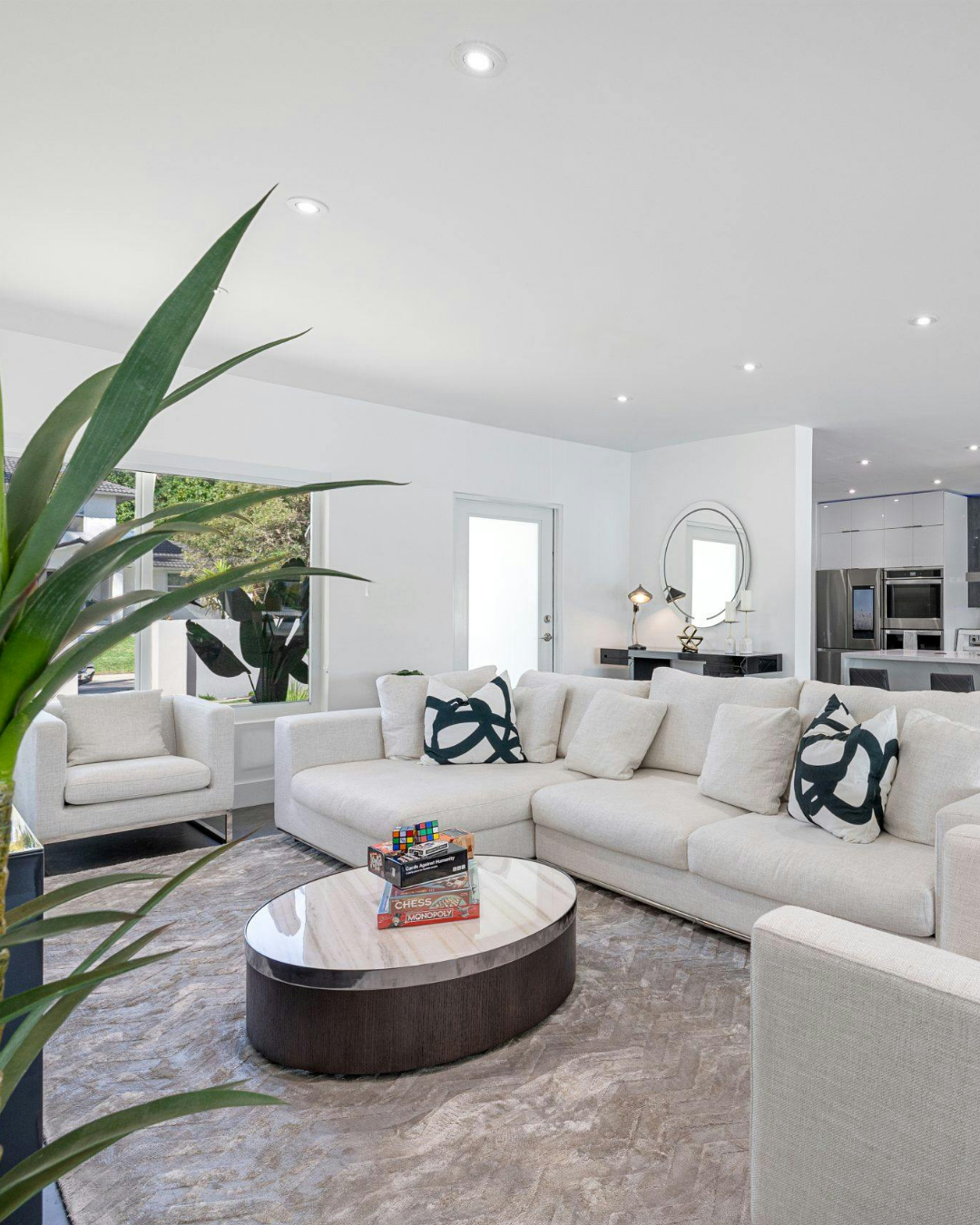
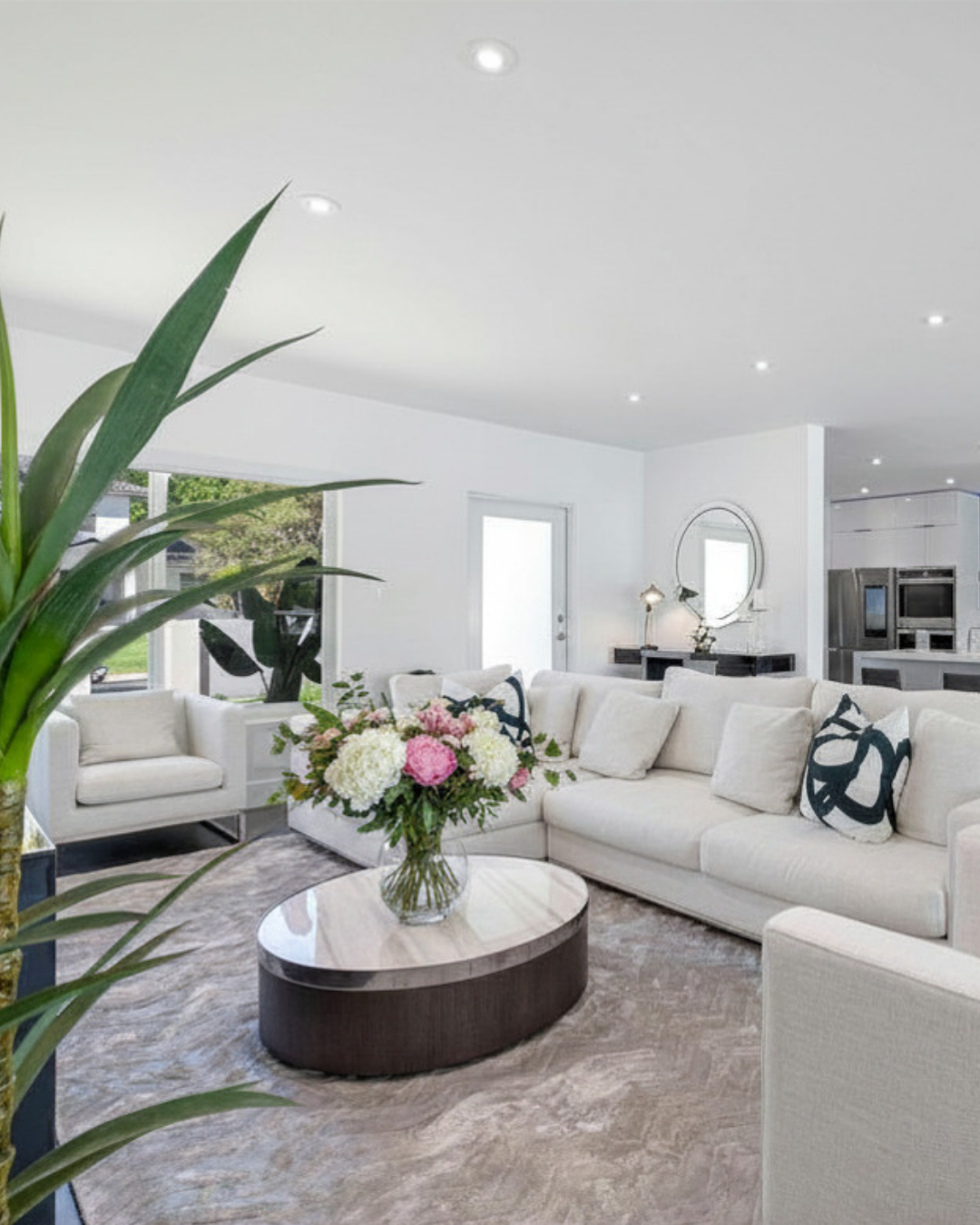
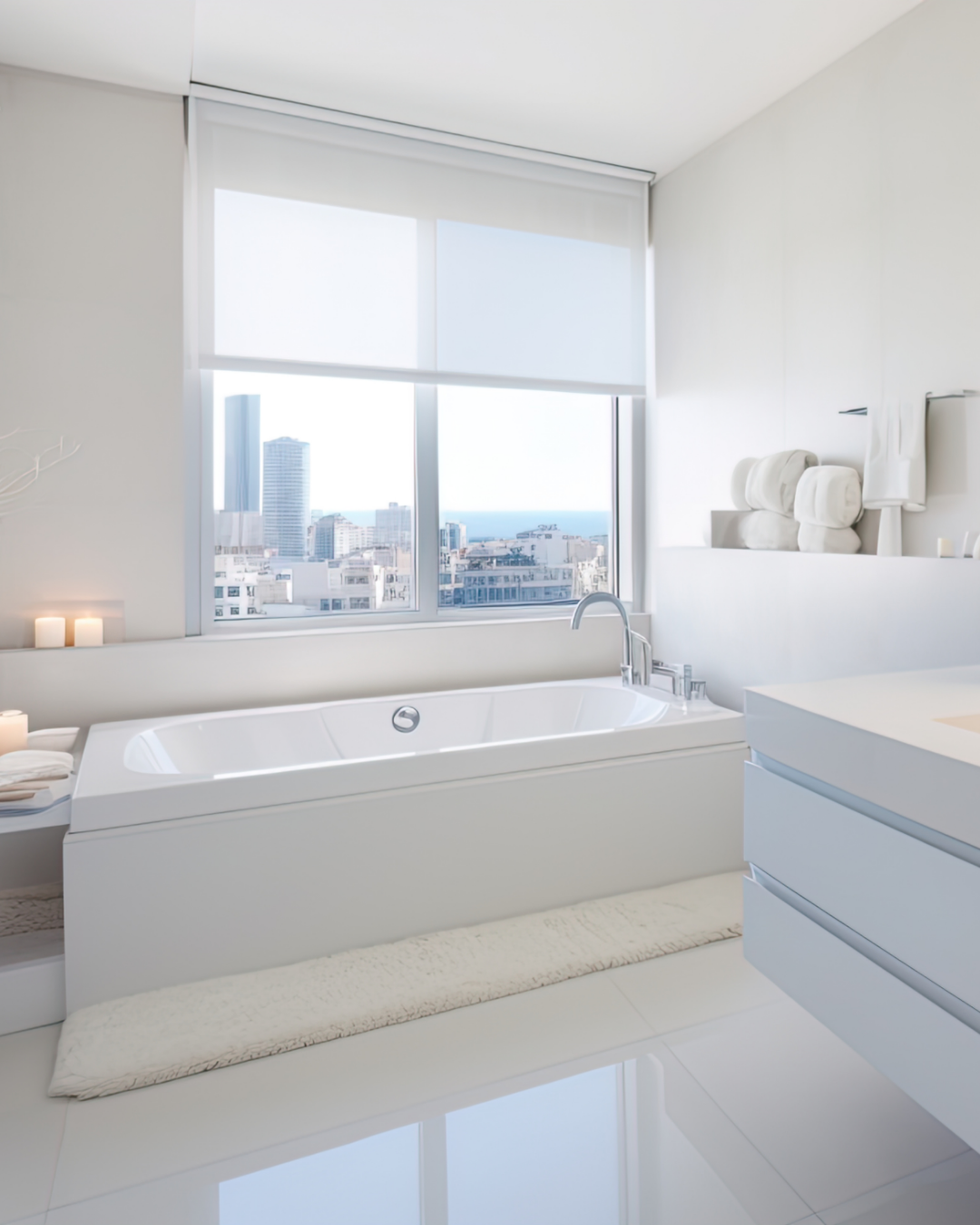
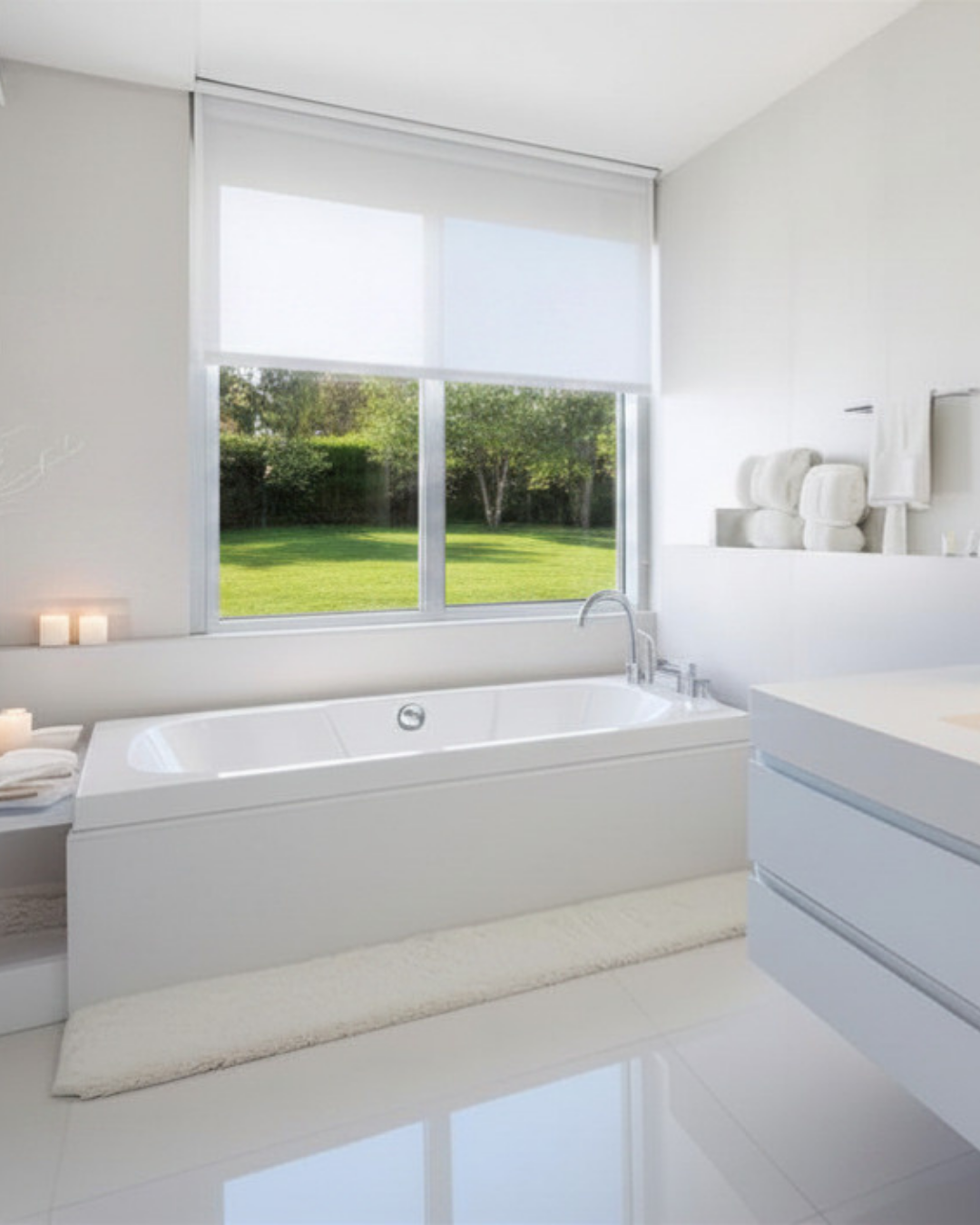
The Balance: Enhancement vs. Honesty AI in real estate isn’t about creating something fake. It’s about amplifying reality. Used thoughtfully, it helps us:
Save time and resources
Improve visual storytelling
Support faster decision-making
But most importantly, it allows us to maintain trust while still delivering impact. Because at the end of the day, great design isn’t about illusion—it’s about clarity. And AI, when used right, helps us show the truest, most compelling version of a space.